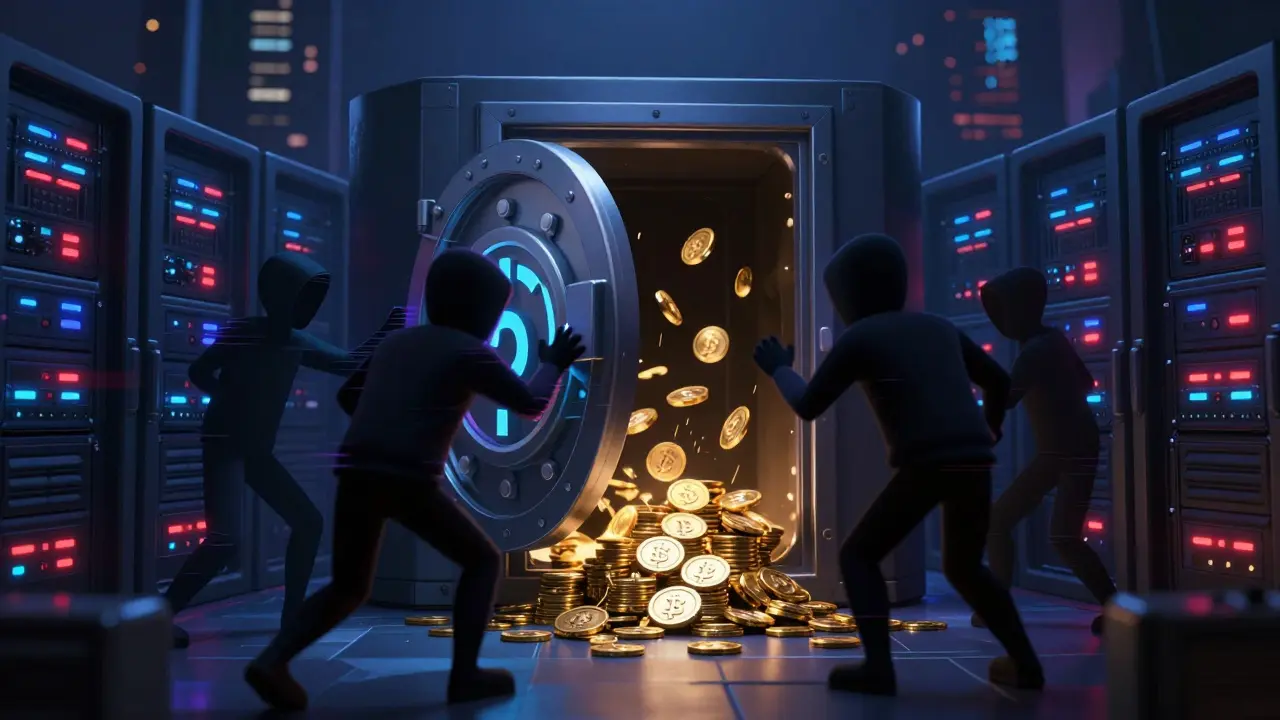
Imagine logging into your favorite trading platform to find that over $8 million worth of user funds have been stolen. For users of BiKing is a cryptocurrency trading platform established prior to 2020 that offers trading services for multiple digital assets including Bitcoin, Ethereum, and privacy coins like Monero, this wasn't just a hypothetical nightmare. It was reality in 2020 and again in 2021. If you are considering using BiKing for your crypto trades, you need to understand exactly what you are getting into. This isn't a shiny new app with flashy marketing; it is an older, unregulated platform with a history of serious security failures.
The Core Identity of BiKing
BiKing has been around since before 2020, placing it in the earlier generation of crypto exchanges. Unlike modern platforms that focus on user experience and compliance, BiKing built its reputation on offering access to a specific set of assets, particularly privacy-focused cryptocurrencies. The platform supports major coins like Bitcoin (BTC), Ethereum (ETH), and Tether (USDT), but it also historically supported coins like Monero (XMR) and Dash (DASH).
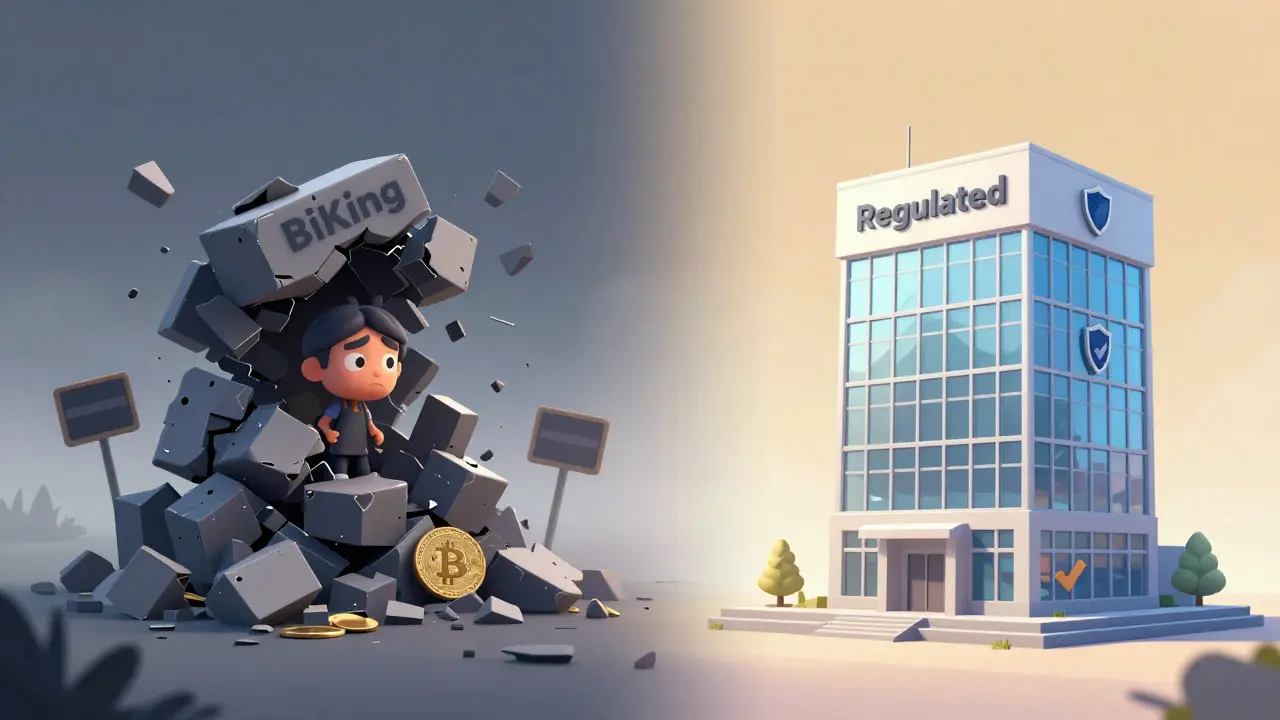
This support for privacy coins was a double-edged sword. While it attracted users who valued anonymity, it also put the exchange in the crosshairs of regulators. In 2023, BiKing suddenly delisted these privacy coins under regulatory pressure. This move angered many supporters of those assets and highlighted a critical weakness: BiKing operates without formal regulatory oversight. Unlike giants like Coinbase is a regulated cryptocurrency exchange operating under financial authorities in 47 US states or Kraken is a licensed cryptocurrency exchange founded in 2011 with operations in multiple jurisdictions, BiKing does not answer to bodies like the SEC or the FCA. This lack of regulation means there is no safety net if things go wrong.
Security Record: A Pattern of Failures
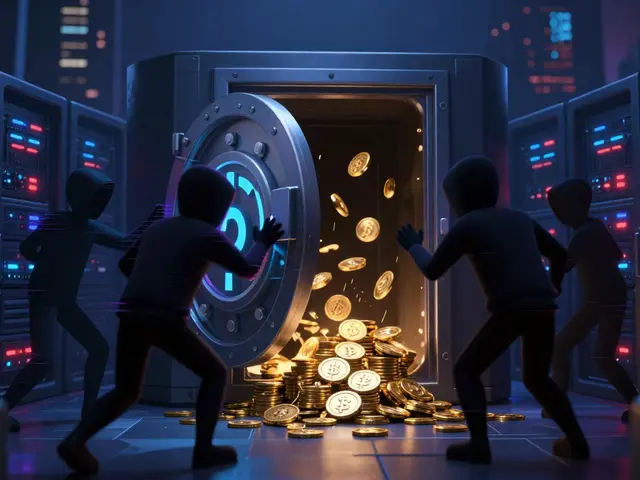
When evaluating any crypto exchange, security is the most important factor. Unfortunately, BiKing’s track record here is poor. The platform suffered two major security breaches within a short period. In 2020 and 2021, hackers exploited vulnerabilities in the system, resulting in the theft of more than $8 million in user funds. These were not minor glitches; they were significant attacks that compromised user trust.
The root cause of these breaches often points to weak authentication methods. BiKing relied heavily on SMS-based two-factor authentication (2FA). Security experts widely consider SMS 2FA to be vulnerable to SIM-swapping attacks and interception. Established exchanges have moved away from this method, adopting more secure options like hardware keys or authenticator apps. Additionally, reports suggest that weaknesses in API key management contributed to the losses. If your funds are sitting on an exchange that uses outdated security protocols, you are taking on unnecessary risk.
| Feature | BiKing | Coinbase / Kraken |
|---|---|---|
| Regulatory Status | Unregulated | Licensed & Regulated (SEC/FCA) |
| Security Breaches | Yes ($8M+ stolen in 2020/2021) | Rare, robust insurance (SAFU) |
| 2FA Method | SMS-based (Vulnerable) | Hardware/App-based (Secure) |
| User Protection | None | Insurance Funds Available |
| Privacy Coins | Delisted Monero/Dash in 2023 | Generally Not Supported |
Trading Features and Risks
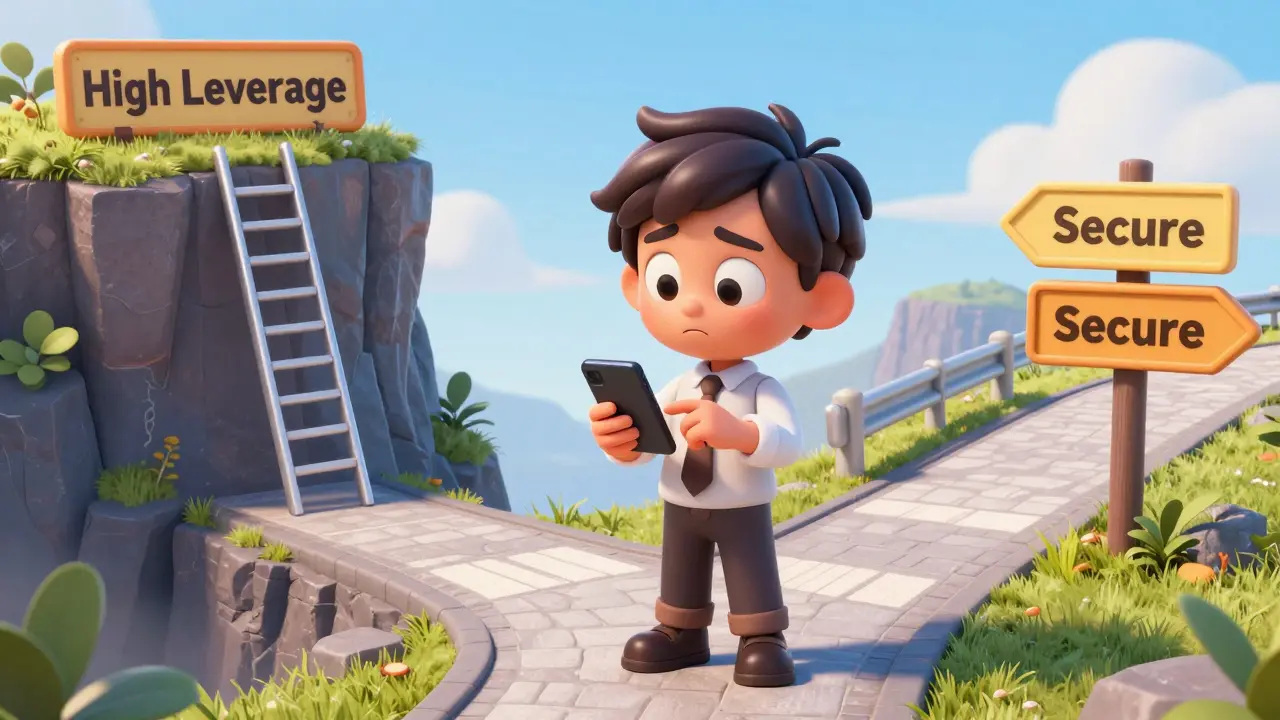
BiKing markets itself as a platform for experienced traders, offering high leverage margin trading. Leverage allows you to control larger positions with less capital, which can amplify profits. However, it also amplifies losses. For a novice trader, high leverage is dangerous. It can wipe out your entire account balance in minutes if the market moves against you. WikiBit’s analysis team explicitly noted that these features make BiKing unsuitable for new traders.
Beyond the inherent risks of leverage, there are concerns about the integrity of the trading data. In 2021, an analysis suggested signs of wash trading on BiKing. Wash trading is a practice where an exchange artificially inflates its trading volume by buying and selling assets to itself. This creates a false impression of liquidity and activity. While BiKing denied these accusations, the allegation raises questions about whether the prices you see on the platform reflect true market value. Regulated exchanges avoid this practice due to strict compliance requirements, but unregulated platforms face fewer consequences for such behavior.
Transparency and Fees
One of the most frustrating aspects of using BiKing is the lack of transparency. Major exchanges like Binance publish their fee structures clearly, listing standard trading fees (e.g., 0.1%) and withdrawal costs. BiKing, however, does not provide detailed public information on its pricing. Without clear fee schedules, users may encounter unexpected costs when withdrawing funds or executing trades. This opacity is a red flag. You should always know exactly how much you will pay before you start trading.
Furthermore, the sudden delisting of privacy coins in 2023 showed that BiKing can make drastic changes to its offerings with little notice. Regulated exchanges typically provide advance warning and follow formal processes when removing assets. BiKing’s reactive approach suggests that user interests are secondary to avoiding regulatory heat.
Who Should Avoid BiKing?
If you fall into any of the following categories, BiKing is likely not the right choice for you:
- New Traders: The high leverage and complex margin trading features pose too great a risk for beginners.
- Users Seeking Safety: If you want your funds protected by insurance or regulatory oversight, BiKing offers neither.
- Privacy Coin Enthusiasts: Since the 2023 delisting, you cannot trade Monero or Dash on this platform.
- Those Who Value Transparency: The lack of clear fee structures and past allegations of wash trading make it hard to trust the platform's data.
Better Alternatives for Secure Trading
Given the risks associated with BiKing, it is wise to consider alternatives that prioritize security and compliance. Platforms like Coinbase and Kraken offer robust security measures, including cold storage for the majority of user funds and insurance policies to protect against theft. They also provide clear fee structures and customer support channels. While they may not offer the same level of leverage or support for niche privacy coins, they provide peace of mind that your assets are safe from both hackers and internal mismanagement.
If you are determined to use BiKing despite the warnings, take extreme precautions. Never keep large amounts of money on the exchange. Use a hardware wallet for long-term storage. Enable every available security feature, even if it is only SMS 2FA. Consider using a VPN to mask your IP address, though this does not protect against account takeover. Remember, in the world of unregulated crypto exchanges, you are on your own.
Final Verdict
BiKing is a high-risk platform with a documented history of security breaches, regulatory issues, and questionable trading practices. Its lack of oversight and transparency makes it unsuitable for most users, especially those new to cryptocurrency. While it may appeal to some experienced traders looking for specific leverage opportunities, the potential for loss far outweighs the benefits. In an industry where security is paramount, BiKing fails to meet basic standards. Choose a regulated, transparent exchange to protect your investments.
Is BiKing a safe crypto exchange?
No, BiKing is not considered safe. It has suffered multiple security breaches resulting in over $8 million in stolen funds. It lacks regulatory oversight and uses less secure authentication methods like SMS 2FA.
Why did BiKing delist Monero and Dash?
BiKing delisted privacy coins like Monero and Dash in 2023 due to increasing regulatory pressure. Unregulated exchanges often react to government scrutiny by removing assets that attract attention.
What are the fees on BiKing?
BiKing does not publicly disclose detailed fee structures. This lack of transparency is a significant drawback compared to regulated exchanges that list all trading and withdrawal fees clearly.
Is BiKing regulated?
No, BiKing operates without formal regulatory licenses. It is not supervised by financial authorities like the SEC or FCA, meaning users have no legal recourse if funds are lost or stolen.
Can I use BiKing for beginner trading?
It is strongly advised against. BiKing offers high leverage margin trading, which is extremely risky for inexperienced traders. The platform is better suited for experienced users who understand the dangers of leverage.
Comments
Oh my god, this is absolutely terrifying! 😱 I mean, $8 million stolen? That’s not just a glitch, that’s a catastrophe waiting to happen for anyone who isn't paying attention. It really makes you wonder how these platforms even stay in business after such blatant failures. The fact that they relied on SMS 2FA is just insane because everyone knows SIM swapping is a thing now. It feels like they are treating user security as an afterthought rather than a priority. And the lack of regulation? That’s the real kicker here. If something goes wrong, there is literally no one to call. No SEC, no FCA, just silence and empty wallets. I can’t believe people still trust these unregulated entities with their life savings. It’s a wild west out there and BiKing seems to be the sheriff who lets the bandits walk free.
It is indeed concerning to see such significant security lapses documented in this review. The reliance on SMS-based two-factor authentication is particularly troubling given the well-documented vulnerabilities associated with SIM-swapping attacks. Furthermore, the absence of regulatory oversight creates a precarious environment for users, as there are no established mechanisms for recourse in the event of theft or mismanagement. While some may argue that decentralization offers freedom, it often comes at the cost of consumer protection. It would be prudent for any potential user to conduct thorough due diligence before engaging with such platforms. The historical data provided here suggests a pattern of negligence that cannot be easily overlooked.
The systemic failure evident in BiKing's architecture is indicative of a broader issue within unregulated crypto exchanges: the prioritization of liquidity over security protocols. The utilization of SMS 2FA represents a critical vulnerability in the authentication layer, exposing users to social engineering vectors such as SIM-jacking. Moreover, the alleged wash trading practices suggest a manipulation of market depth metrics, thereby distorting price discovery mechanisms. This lack of transparency in fee structures further exacerbates the information asymmetry between the platform and its users. From a risk management perspective, the exposure to counterparty risk is significantly elevated when dealing with entities that lack custodial insurance or regulatory compliance frameworks. The delisting of privacy coins was merely a reactive measure to regulatory pressure, highlighting the platform's inability to maintain operational stability under scrutiny.
you think this is about security?? lol no way (¬_¬) the government wants you to use coinbase so they can track every penny you spend. biking was just trying to give people freedom but the deep state shut them down. monero and dash were delisted because the regulators got scared of actual privacy. they want total surveillance capitalism. dont fall for the propaganda. the 'security breaches' were probably fabricated by competitors who are regulated shills. keep your keys off exchange anyway but dont trust the narrative. :)
typical scam. they stole money then blamed hackers. should have known better. always cold storage.
bro if u r reading this and thinking about using biking... stop 🛑🚫 i’ve seen too many newbs get wrecked by leverage on these shady platforms. the fees are hidden everywhere and the support is non-existent. just stick to the big boys like coinbase or kraken yeah they might be boring but at least ur money isnt gone overnight. don’t be that guy who loses his rent money on a sketchy exchange 💸📉
hey guys just wanted to say that while this looks scary, maybe we shouldnt panic entirely? i mean, lots of exchanges have had issues right? but yeah, the sms 2fa part is kinda weak. i switched to an authenticator app ages ago and feel much safer. also, if ur into privacy coins, maybe look into other options since biking dropped them. stay safe out there everyone! ✨
look, i get why ppl like biking for the leverage but the risks are just too high. the fact that they got hacked twice in two years is a huge red flag. and dont even get me started on the lack of clear fees. its like playing russian roulette with your portfolio. i used to trade there but moved everything to a hardware wallet after the first breach news broke. peace of mind is worth more than any potential profit from high leverage. let’s all try to protect our investments better ok? 🙏
i read through this carefully. seems pretty bad honestly. the security record is worrying. i prefer keeping things simple and safe. maybe not the best place for beginners.
Wow, what a disaster zone! 🔥 The whole situation with BiKing feels like a house of cards waiting to collapse. First, you have the massive heists-$8 million gone! Poof! Then you have the regulatory squeeze forcing them to ditch the privacy coins they supposedly championed. It’s like watching a soap opera where the villain keeps losing their own money. The reliance on SMS 2FA is just laughably outdated in this day and age. Who still thinks texting a code is secure? Absolutely nobody with any sense. And the wash trading allegations? That’s just cherry on top of a very bitter sundae. Stay away folks, unless you enjoy living on the edge of financial ruin. 🎢💸
hi there i just wanted to add that i had a similar experience with another unregulated exchange. it was stressful trying to withdraw funds when the site went down for maintenance. always good to have backups. hope everyone stays safe with their crypto journeys. typos aside, take care! 🌸
One must appreciate the sheer audacity of operating an unregulated financial entity in the modern era. BiKing’s continued existence serves as a testament to the gullibility of retail investors who prioritize convenience over capital preservation. The lack of regulatory compliance is not merely a minor inconvenience; it is a fundamental flaw that renders the platform legally indefensible in the event of insolvency. Those who choose to engage with such entities do so at their own peril, ignoring the basic tenets of fiduciary responsibility. It is truly disheartening to witness the proliferation of such substandard services in the cryptocurrency ecosystem.
This analysis is superficial at best. You’re focusing on the symptoms rather than the disease. The real issue is the centralized nature of all these exchanges. BiKing failed because it hoarded assets instead of implementing MPC technology. Blaming SMS 2FA is like blaming the lock on a door while the walls are made of paper. Wash trading is rampant across ALL major exchanges, not just BiKing. Coinbase does it too, they just hide it better. Stop pretending regulated means safe. It just means insured up to a certain point. Do your own research on custody solutions.
It is quite evident that individuals who utilize platforms such as BiKing lack the necessary discernment required for prudent financial management. The explicit warnings regarding security breaches and regulatory non-compliance should serve as a deterrent for any rational actor. To continue supporting such entities is to actively participate in one's own detriment. The sophisticated investor recognizes the value of institutional-grade security and regulatory adherence. Therefore, the recommendation to avoid BiKing is not merely advice but a necessity for maintaining financial integrity.
I find this discussion fascinating! It raises so many questions about trust in digital systems. How do we define safety in a decentralized world? Is regulation the only path to security, or does it stifle innovation? I’m curious to hear from others who have navigated both regulated and unregulated spaces. What are your thoughts on the balance between privacy and oversight? Let’s explore this together! 🌟
everyone says biking is bad but thats just because they cant handle the truth. the system is rigged against us. regulated exchanges are just fronts for the banks. biking gave us a chance to escape. sure they got hacked but so did mt gox and look how bitcoin recovered. this article is fear mongering. wake up sheeple. the real crime is not having access to privacy coins anymore. :)
listen up folks. i’ve been trading crypto since 2013. biking is trash. pure garbage. if you’re smart you know this already. the hacks were inevitable because their tech stack is ancient. plus, the leverage traps newbies instantly. don’t be dumb. move your funds to a reputable exchange or lose them. simple as that. no need for fancy words. just facts.
This is exactly why we need stricter laws on these foreign operations. They come in, steal American money, and vanish. Unregulated crypto exchanges are a national security risk. We should ban them outright. Why are we allowing these loopholes? It’s disgusting. Stick to US-regulated platforms if you want to sleep at night. Protect our economy from these digital thieves.
oh my gosh!! i was so worried when i read this!!! 😰😰 but hey, at least we know now right?! yay for awareness!! 🎉🎉 i promise to never use biking again!! let’s all stay positive and keep our crypto safe!! hugs to everyone!! 🤗🤗💖💖
life is like a crypto exchange. sometimes it crashes. sometimes it moons. but mostly it just takes your money. biking is just a mirror of society. flawed and broken. but hey, at least we have stories to tell. lol. whatever man. buy low sell high or dont. its all meaningless in the end. 🌀
You are all missing the point. The security failures are irrelevant compared to the structural incompetence. BiKing is a scam. Period. Don’t waste time debating nuances. Just leave. Now. Before you lose everything. Your ignorance is your enemy. Wake up.
Hey buddy, did you check your private keys lately? 🤔 Because if you left them on BiKing, you’re basically lighting your wallet on fire. I saw someone lose $5k last week because they trusted SMS 2FA. Don’t be that person. Move to a hardware wallet. Trust me, your future self will thank you. 🚀💰
In light of the aforementioned security breaches and the subsequent regulatory actions taken by various governmental bodies, it becomes increasingly apparent that the utilization of unregulated cryptocurrency exchanges poses significant risks to individual financial stability. The absence of transparent fee structures and the historical precedent of fund misappropriation necessitate a cautious approach. It is imperative that investors prioritize platforms that adhere to stringent compliance standards and offer robust customer protection mechanisms. The delisting of privacy coins further underscores the volatility inherent in such markets. Consequently, a comprehensive evaluation of alternative investment avenues is recommended to mitigate potential losses.
Look, I’m not saying BiKing is perfect, but let’s be real. Every exchange has issues. The difference is whether they fix them. BiKing patched the holes after 2021. Yeah, SMS 2FA is meh, but they added email alerts too. The wash trading claims were never proven. People just hate anything that isn’t Coinbase. Give it a fair shake before trashing it completely. But yeah, maybe don’t keep millions there.
Let’s analyze the macroeconomic implications here. BiKing’s failure highlights the fragility of unbacked digital assets. The ‘hidden gem’ narrative is a fallacy perpetuated by influencers seeking affiliate commissions. The reality is stark: without regulatory backing, these platforms are essentially casinos with worse odds. The jargon-heavy defense of ‘decentralization’ masks the centralization of risk. Consumers must demand accountability. Until then, BiKing remains a cautionary tale of greed and negligence. :/