You’ve heard the name Bitroom, maybe from an ad on social media or a message from someone promising easy gains. You want to know if it’s safe to put your money there. The short answer? Be very careful. As of August 2026, there is almost no credible information about a legitimate cryptocurrency exchange called Bitroom. When a platform has no digital footprint, that is usually the first red flag.
In the world of crypto, trust is everything. Unlike traditional banks, crypto exchanges are largely self-regulated, which means bad actors can set up shop easily. If you cannot find independent reviews, regulatory filings, or news coverage for an exchange, you should assume it might not be real. This article breaks down what we know-or rather, what we don’t-about Bitroom, how to spot similar scams, and where you should actually trade your Bitcoin and Ethereum.
The Silence Surrounding Bitroom
When you search for major exchanges like Kraken, Coinbase, or Binance, you get millions of results. You see user forums, security audits, and regulatory updates. Now, try searching for Bitroom. What do you find? Mostly nothing. Or worse, generic articles written by bots that say nothing useful.
This silence is deafening. In the crypto industry, visibility equals legitimacy. Established platforms fight for attention because they need users. A platform that hides from public scrutiny often does so because it has something to hide. Here is what is missing from Bitroom’s profile:
- No Regulatory Licenses: Legitimate exchanges register with financial authorities like the SEC in the US, the FCA in the UK, or FinCEN globally. Bitroom appears on none of these lists.
- No Independent Audits: Trustworthy platforms publish proof-of-reserves reports. These show that the money you deposit is actually there. Bitroom has no such records.
- No Community Presence: Real exchanges have active communities on Reddit, Twitter (X), and Telegram. Bitroom lacks any genuine user discussion.
If a company operates without leaving a trace, ask yourself: who owns it? Where is their office? Who answers when things go wrong? For Bitroom, the answers are likely nonexistent.
How Fake Exchanges Operate in 2026
Scammers are getting smarter. They don’t just send phishing emails anymore. They build professional-looking websites with slick designs, fake customer support chatbots, and even fake news tickers showing rising prices. This is known as a "pig butchering" scam or a fraudulent trading platform.
Here is the typical playbook used by platforms like Bitroom:
- The Hook: You see an ad or get a DM claiming high returns with low risk. Maybe they promise 5% daily profits on Bitcoin trades.
- The Onboarding: You sign up on a site that looks exactly like Binance or Coinbase. The interface is smooth. You deposit funds via crypto transfer or credit card.
- The Illusion: Your account shows profits. The numbers go up. You feel smart. You decide to deposit more.
- The Wall: When you try to withdraw your money, problems start. "Verification fees," "tax payments," or "security holds" appear. You pay them, hoping to get out.
- The Disappearance: Eventually, the website goes down. The support chats stop responding. Your funds are gone forever.
The California Department of Financial Protection and Innovation (DFPI) tracks these scams closely. In recent years, they have documented cases where victims lost over $179,000 to platforms that looked legitimate but vanished overnight. Bitroom fits this pattern perfectly.

Red Flags: How to Spot a Fake Exchange
Not every unknown exchange is a scam, but most are. To protect yourself, look for these specific warning signs before you deposit a single dollar.
| Feature | Legitimate Exchange (e.g., Kraken) | Suspicious Platform (e.g., Bitroom) |
|---|---|---|
| Registration Date | Years ago (e.g., 2011) | Recently created domain (check WHOIS) |
| Regulatory Status | Listed on government regulator sites | No license found; vague legal pages |
| User Reviews | Mixed but real complaints on Trustpilot/Reddit | No reviews or only fake 5-star bots |
| Withdrawal Process | Clear fees, standard processing times | Hidden fees, endless delays, extra charges |
| Contact Info | Physical address, phone number, email | Only live chat or generic email forms |
Pay special attention to the withdrawal process. That is where scams reveal themselves. A legitimate exchange knows that liquidity is key. If they make it hard to get your money out, they probably never intended for you to leave.
Safe Alternatives for Trading Crypto
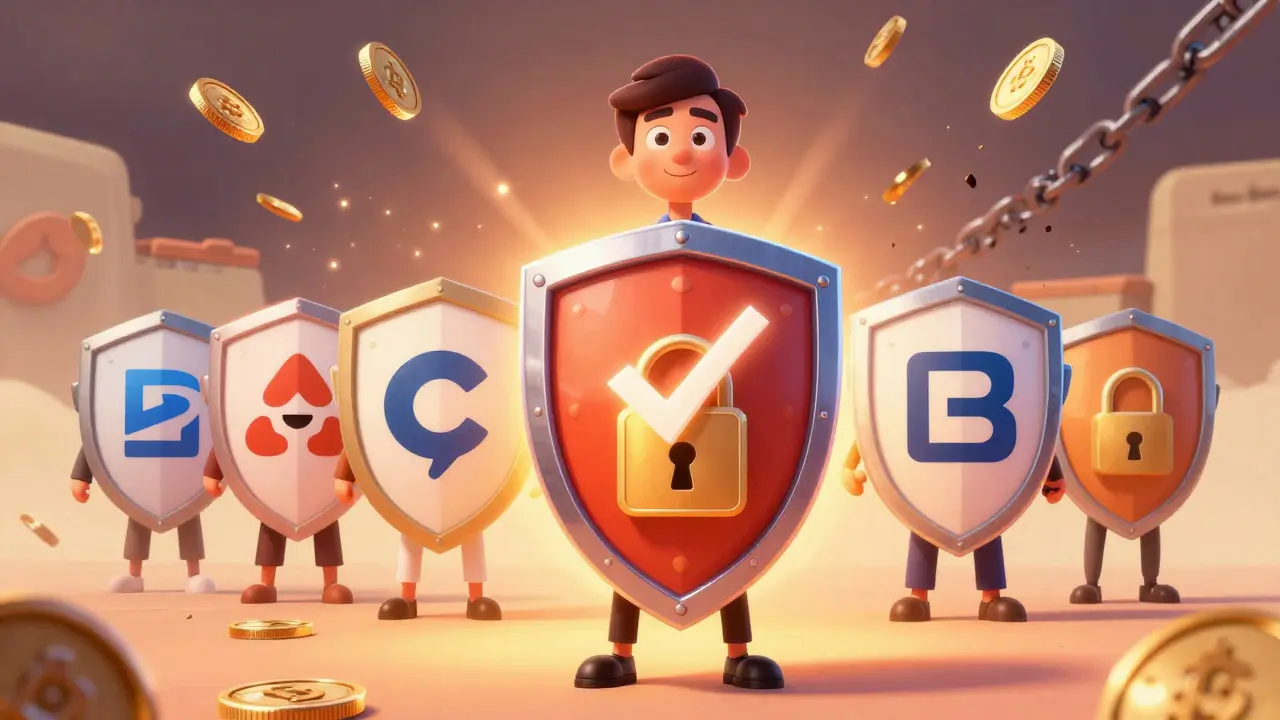
If Bitroom feels risky, you are right to look elsewhere. There are dozens of established exchanges that offer better security, lower fees, and actual customer support. Here are some trusted options depending on your needs.
For Beginners: Coinbase
Coinbase is publicly traded on the NYSE, which adds a layer of accountability. It has a simple interface, supports fiat deposits via bank transfer, and offers insurance on USD holdings. It is not the cheapest option, but it is one of the safest for new users.
For Advanced Traders: Kraken
Kraken is a secure cryptocurrency exchange founded in 2011 that prioritizes privacy and security. It has never been hacked in its history. Kraken offers advanced charting tools, margin trading, and staking services. It is regulated in multiple jurisdictions and publishes regular proof-of-reserves audits.For Low Fees: Binance
Binance remains the largest exchange by volume. While it has faced regulatory hurdles in various countries, its global platform offers deep liquidity and extremely low trading fees. Just ensure you are using the correct regional version (like Binance.com or Binance.US) based on your location.
For Self-Custody Enthusiasts: Ledger + Decentralized Exchanges
If you distrust centralized exchanges entirely, consider buying crypto on a reputable platform and moving it to a hardware wallet like Ledger or Trezor. Then, use decentralized exchanges (DEXs) like Uniswap or Curve for trading. This way, you control your private keys, and no single company can freeze your assets.
What to Do If You Already Deposited Money
If you have already sent funds to Bitroom or a similar suspicious platform, act quickly. Time is critical.
- Stop Sending More Money: Scammers will ask for "fees" to release your funds. Never pay these. They are just ways to squeeze more money from you.
- Gather Evidence: Take screenshots of your account balance, transaction hashes, emails, and chat logs. Save everything.
- Contact Your Bank: If you deposited via credit card or bank transfer, call your bank immediately. Ask if a chargeback is possible. Success rates vary, but it is worth trying.
- Report the Scam: File a report with your local financial regulator. In the US, use the FTC Identity Theft Report center or the DFPI tracker. In New Zealand, contact the Financial Markets Authority (FMA). In Europe, report to your national consumer protection agency.
- Warn Others: Post your experience on Reddit, Trustpilot, and Twitter. Tag relevant authorities. This helps prevent others from falling into the same trap.
Recovery is difficult, but not impossible. Blockchain transactions are irreversible, but if the scammer converts crypto to fiat through a known exchange, that exchange may freeze the funds upon request from law enforcement.
Why Due Diligence Matters More Than Ever
The crypto market is maturing. Regulations are tightening. By 2026, many unlicensed platforms are being shut down or forced to comply. Sticking to well-known names protects you from sudden closures.
Always verify an exchange’s background. Check: - Their domain age using WHOIS lookup tools. - Their presence on CoinMarketCap or CoinGecko (these sites list verified exchanges). - Their regulatory disclosures in the footer of their website. - User feedback on independent forums, not just their own site.
Remember, if an opportunity sounds too good to be true, it probably is. High yields with zero risk do not exist in finance, crypto or otherwise.
Is Bitroom a legitimate crypto exchange?
As of August 2026, there is no evidence that Bitroom is a legitimate exchange. It lacks regulatory licenses, independent audits, and verifiable user reviews. These are strong indicators that it may be a fraudulent platform.
How can I check if a crypto exchange is safe?
Check for regulatory licenses from bodies like the SEC, FCA, or FinCEN. Look for proof-of-reserves audits, read independent user reviews on Reddit and Trustpilot, and verify the domain age. If an exchange is not listed on CoinMarketCap or CoinGecko, proceed with extreme caution.
What are the signs of a crypto scam?
Signs include promises of guaranteed high returns, difficulty withdrawing funds, requests for extra fees to release money, lack of physical address or contact info, and absence of regulatory compliance. If the website looks brand new but claims years of operation, it is likely fake.
Can I recover money lost to a fake exchange?
Recovery is difficult but possible in some cases. Contact your bank immediately for chargebacks if you used fiat. Report the scam to financial regulators like the DFPI or FMA. Gather all evidence including transaction hashes and communications. Law enforcement may track funds if they move through regulated exchanges.
Which crypto exchanges are considered safe in 2026?
Trusted exchanges include Coinbase (publicly traded), Kraken (known for security), Binance (largest volume), and Gemini (regulated in the US). Always choose platforms that publish regular audits and have clear regulatory status in your country.
What is a pig butchering scam in crypto?
A pig butchering scam involves building a relationship with a victim over time, often through romance or friendship online. The scammer then introduces a fake investment platform where the victim sees fake profits. Once large sums are invested, the platform disappears, taking all funds with it.
Should I use decentralized exchanges instead?
Decentralized exchanges (DEXs) like Uniswap eliminate counterparty risk since you trade directly from your wallet. However, they require technical knowledge and carry risks like smart contract bugs or rug pulls. They are safer than fake centralized exchanges but still require caution.