Have you ever tried to buy Bitcoin using Alipay or WeChat Pay? If you are based in China or frequently deal with local payment methods, finding a reliable platform that accepts these options can feel like hunting for a needle in a haystack. This is where Bituan is a cryptocurrency exchange platform designed primarily for the Chinese market, offering localized payment support and diverse trading pairs. It has carved out a specific niche by bridging the gap between traditional fiat payments popular in Asia and the volatile world of digital assets.
But does this regional focus make it a safe bet for your hard-earned money? Or is it just another small exchange with hidden risks? In this review, we break down everything you need to know about Bituan’s features, fees, security measures, and limitations to help you decide if it deserves a spot in your trading portfolio.
What Is Bituan and Who Is It For?
Bituan operates as a digital marketplace where users can buy, sell, and trade cryptocurrencies. Unlike global giants like Binance or Coinbase, which cater to a worldwide audience, Bituan has built its infrastructure around the needs of investors in the Chinese market. This localization is its biggest selling point.
The platform supports over 100 cryptocurrencies. You will find the usual suspects like Bitcoin (BTC), Ethereum (ETH), Ripple (XRP), and Litecoin (LTC). It also includes stablecoins such as Tether (USDT) and a variety of altcoins. This selection is decent for beginners who want to diversify without being overwhelmed by hundreds of obscure tokens. However, experienced traders looking for deep liquidity in niche DeFi tokens might find the list lacking compared to larger competitors.
The target audience here is clear: Chinese investors who need seamless integration with local banking systems, beginners looking for an intuitive interface, and security-conscious traders who appreciate strict verification processes. If you are outside of China and do not use Alipay or WeChat Pay, Bituan offers little advantage over more established global exchanges.
Fees and Trading Costs Explained
Trading fees can eat into your profits faster than you think. Bituan uses a standard maker-taker fee model, which is common across most centralized exchanges. Here is how it breaks down:
- Maker Fees: Range from 0.08% to 0.25%. These apply when you place a limit order that sits on the order book, adding liquidity to the market.
- Taker Fees: Range from 0.1% to 0.3%. These apply when you execute a market order that immediately matches with an existing order, removing liquidity.
These rates fall squarely within the industry average. They are not the cheapest you will find-some high-volume exchanges offer lower tiers for VIP traders-but they are transparent and predictable. There are no hidden spreads mentioned in user feedback, which is a positive sign. For casual traders, the difference between 0.1% and 0.3% might seem negligible, but over hundreds of trades, those percentages add up. The tiered structure encourages you to use limit orders, which is generally a smarter trading strategy anyway.
| Fee Type | Bituan Rate | Industry Average | Verdict |
|---|---|---|---|
| Maker Fee | 0.08% - 0.25% | 0.1% - 0.2% | Competitive |
| Taker Fee | 0.1% - 0.3% | 0.1% - 0.25% | Standard |
| Withdrawal Fees | Network-dependent | Variable | Check current rates |
Security Measures and Regulatory Status
In the crypto world, security is not a feature; it is a necessity. Bituan employs several layers of protection to safeguard user funds and data. The platform uses advanced encryption technology for all transactions and user data storage. Additionally, it mandates multi-factor authentication (MFA) for account access and withdrawal confirmations. This means that even if someone steals your password, they cannot move your funds without the second verification code.
The exchange also conducts regular security audits and utilizes firewalls and intrusion detection systems. These technical safeguards create a layered defense strategy. However, technology alone does not guarantee safety. Regulatory compliance plays a huge role in trust.
User reports indicate that Bituan claims regulation by the Financial Crimes Enforcement Network (FinCEN). FinCEN is a U.S. bureau responsible for safeguarding the financial system from illicit activity. While this adds a layer of legitimacy, it is crucial to verify the current status of this registration independently, as regulatory landscapes shift rapidly. Some users have raised concerns about an "exceeded license" issue, suggesting that the scope of their operational license might be narrower than their marketing implies. Always check the latest regulatory filings before depositing large sums.
User Experience and Interface
If you have used any modern trading app, you will feel right at home on Bituan. The interface is described by users as intuitive, visually appealing, and easy to navigate. Whether you are buying your first fraction of Ethereum or executing complex limit orders, the layout does not get in your way.
The platform provides essential trading tools for informed decision-making, including real-time charts and order books. Customer support is available 24/7 via email and phone, which is a significant plus. Many smaller exchanges rely solely on chatbots or slow email responses, but Bituan’s commitment to round-the-clock human assistance helps resolve issues quickly. Users have specifically praised the responsiveness of the support team, noting that questions are addressed promptly.
Limitations and Potential Risks
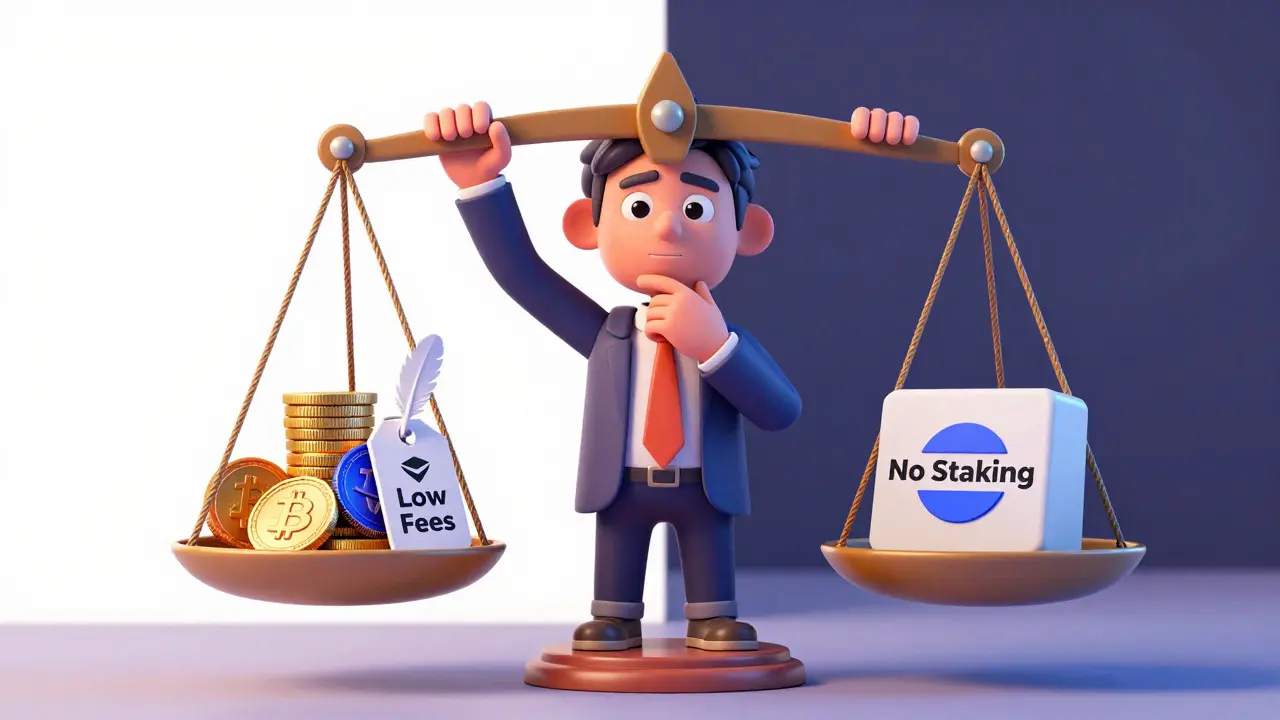
No platform is perfect, and Bituan has some notable gaps in its service offering. First, the absence of staking features is a major drawback for passive income seekers. On many other exchanges, you can earn yield on your idle assets like Ethereum or Solana. Bituan does not currently offer this, meaning your coins sit dormant unless you trade them.
Secondly, asset transfer options are limited compared to global competitors. While Alipay and WeChat Pay are great for deposits, withdrawing funds to international bank accounts or using alternative fiat gateways can be cumbersome or unavailable. This locks users somewhat into the ecosystem.
Finally, there is a call for greater transparency regarding privacy and data protection policies. While security is robust, users want clearer details on how their personal information is stored and shared. In an era of increasing data breaches, this transparency is non-negotiable for many sophisticated investors.
Who Should Use Bituan?
Bituan is an excellent choice if you are a Chinese investor looking for a seamless way to convert local currency into crypto using familiar payment apps. It is also suitable for beginners who want a straightforward, secure platform with good customer support and a reasonable selection of major cryptocurrencies.
However, if you are an advanced trader seeking deep liquidity in exotic altcoins, passive income through staking, or global fiat withdrawal options, you might find Bituan restrictive. In that case, larger platforms like Binance, Kraken, or Coinbase might serve you better despite higher complexity.
Final Verdict
Bituan holds its ground as a specialized player in the crypto exchange market. Its strengths lie in localization, security, and user-friendly design. By supporting Alipay and WeChat Pay, it solves a critical pain point for millions of potential investors. The fee structure is fair, and the security protocols are solid. But remember to weigh the lack of staking and limited withdrawal options against your personal trading goals. Do your due diligence, start small, and always keep security at the forefront of your mind.
Is Bituan a legitimate crypto exchange?
Yes, Bituan appears to be a legitimate platform, particularly within the Chinese market. It claims regulation by FinCEN and employs standard security measures like encryption and multi-factor authentication. However, users should verify current licensing status independently due to past concerns about license scope.
What payment methods does Bituan accept?
Bituan primarily supports bank transfers, Alipay, and WeChat Pay. These options make it highly convenient for users in China but may limit accessibility for international users accustomed to credit cards or Western Union.
Does Bituan offer staking services?
No, Bituan currently does not offer staking features. This means users cannot earn passive rewards on their held cryptocurrencies directly through the platform, unlike many competing exchanges.
How much are the trading fees on Bituan?
Trading fees range from 0.08% to 0.25% for makers and 0.1% to 0.3% for takers. These rates are competitive and align with industry standards for mid-tier exchanges.
Is Bituan safe for beginners?
Yes, Bituan is considered safe for beginners due to its user-friendly interface, strong security protocols including MFA, and 24/7 customer support. However, beginners should always start with small amounts to understand the platform's mechanics fully.
Can I withdraw funds internationally from Bituan?
Withdrawal options are somewhat limited compared to global exchanges. While crypto withdrawals are supported, fiat withdrawals are optimized for the Chinese market. International bank transfers may face restrictions or higher fees.
How many cryptocurrencies can I trade on Bituan?
Bituan supports over 100 cryptocurrencies, including major assets like Bitcoin and Ethereum, as well as various altcoins and stablecoins like USDT. This is sufficient for most diversified portfolios but less extensive than top-tier global exchanges.