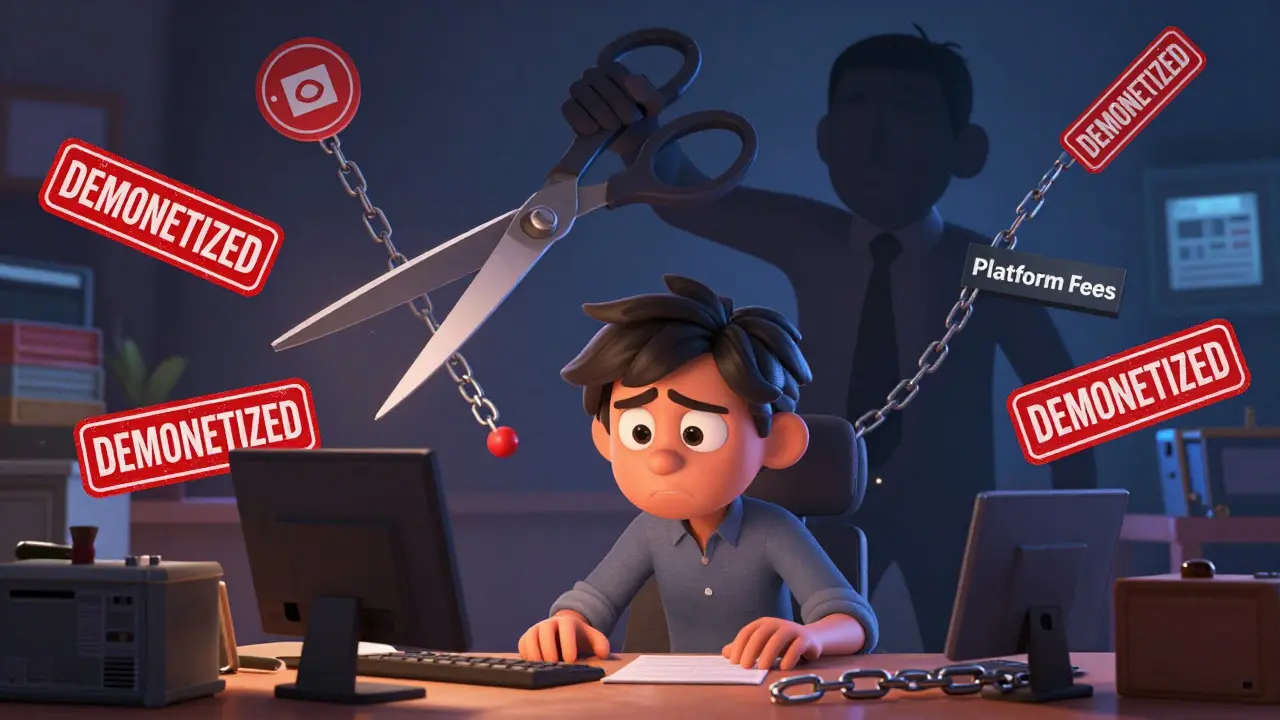
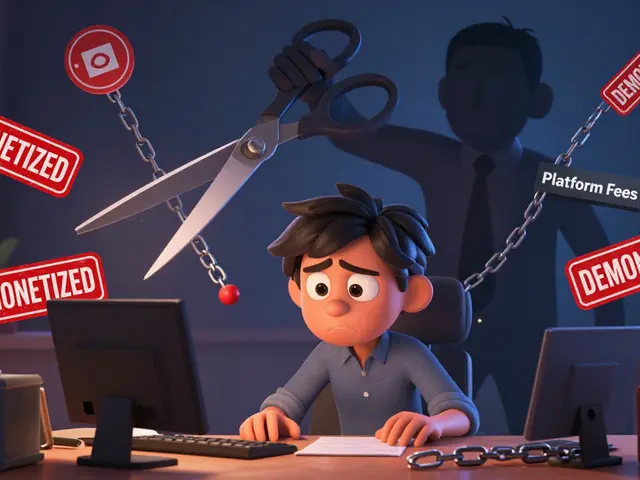
Imagine spending weeks creating a piece of art, writing a book, or producing a video series, only to have a platform take a massive cut and potentially demonetize you overnight. For years, this has been the harsh reality for digital creators. But in 2026, the rules are changing. Blockchain content monetization models are no longer just a niche experiment for crypto enthusiasts; they represent a fundamental shift in how value is exchanged online. By cutting out traditional intermediaries, these models allow creators to build direct relationships with their audiences while retaining control over their revenue.
The market is moving fast. Valued at nearly $500 million in 2024, the blockchain content monetization sector is projected to explode past $2.7 billion by 2030. This isn't just hype-it's a response to creator frustration with opaque algorithms and restrictive policies on legacy platforms. Whether you are an artist, a writer, or a developer, understanding these new mechanisms is crucial for staying competitive in the evolving digital economy.
Why Creators Are Leaving Traditional Platforms
To understand why blockchain monetization is gaining traction, we first need to look at what’s broken in the current system. Traditional platforms like Patreon, Substack, or YouTube operate as gatekeepers. They provide the audience and the infrastructure, but in return, they demand significant fees-often ranging from 10% to 30% of your earnings. More importantly, they hold the power. A single policy change can wipe out your income stream without warning.
Smart Contracts are self-executing contracts with the terms of the agreement directly written into code. In the context of content monetization, they replace the arbitrary rulebooks of traditional platforms. When you sell a digital asset or subscription via a smart contract, the payout is automatic and guaranteed. There is no middleman deciding if you deserve your money. This transparency builds trust between you and your audience because everyone can see the exact percentage that goes to the creator versus the platform.
Furthermore, traditional models rely heavily on advertising and sponsorships, which are volatile. Blockchain models introduce alternative revenue streams like tokenized access and resale royalties, which provide more stability and long-term value accrual for loyal fans.
Core Mechanisms of Blockchain Monetization
There isn't just one way to make money on the blockchain. Instead, there are several distinct models that serve different types of creators and audiences. Understanding the differences helps you choose the right strategy for your specific content.
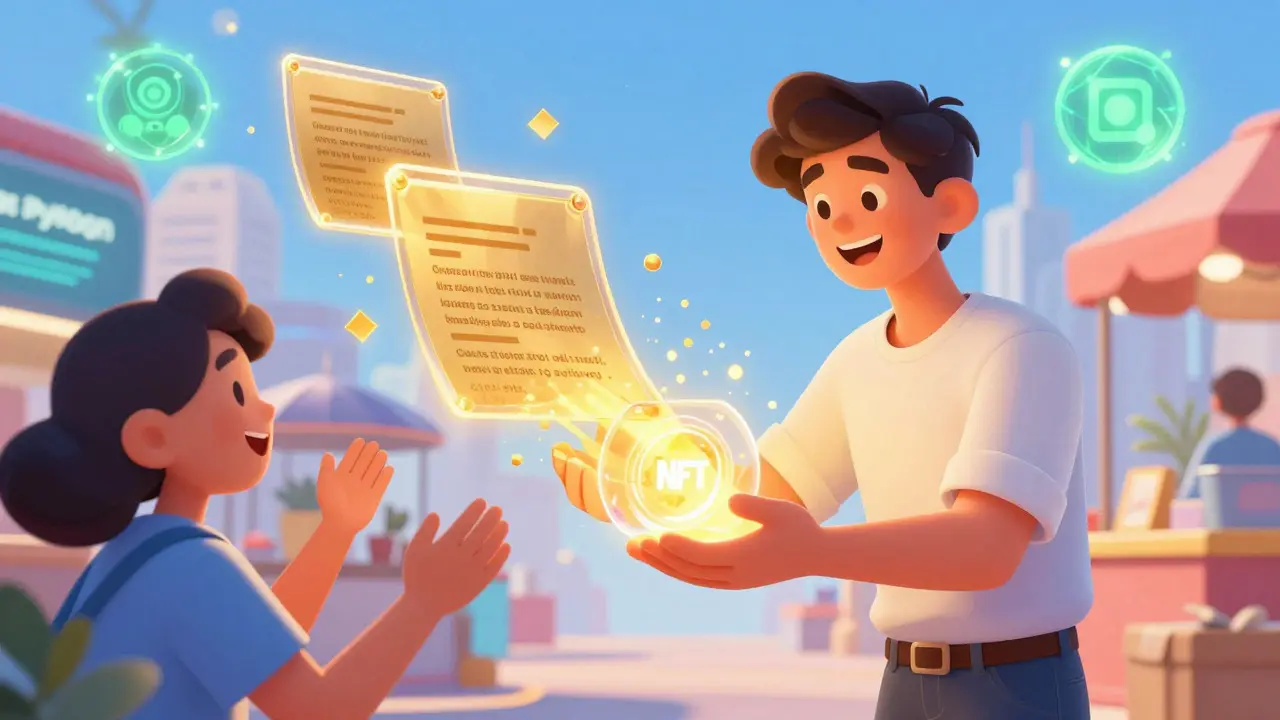
- NFT Royalties: Non-fungible tokens (NFTs) allow you to mint unique digital assets. Unlike a simple file download, an NFT proves ownership. The real magic lies in the royalty feature. Every time your NFT is resold on the secondary market, you automatically receive a percentage of the sale price. This creates a passive income stream that continues long after the initial sale.
- Social Tokens: Platforms like Friend.tech have popularized the idea of tokenizing your social presence. Fans buy tokens representing your brand or community. These tokens often grant access to exclusive chats, events, or content. If your influence grows, the token value rises, rewarding both you and your early supporters.
- Gated Content & Subscriptions: Instead of paying a monthly fee to a central server, users pay in cryptocurrency to unlock content. Smart contracts manage access rights. If payment stops, access revokes automatically. This eliminates churn management headaches and ensures you get paid before the user sees anything.
- Micropayments: Blockchain enables tiny transactions that were previously impossible due to high processing fees. Readers can pay fractions of a cent per article or view. While individual amounts are small, the volume can add up significantly, especially with cross-border audiences where traditional banking fees would eat up the profit.
The Role of Layer 2 Solutions in Reducing Costs
One of the biggest criticisms of blockchain technology has always been cost. High gas fees on networks like Ethereum could make selling a $5 digital download unprofitable. However, the landscape has changed dramatically with the rise of Layer 2 solutions.
Base Chain is a Layer 2 scaling solution built on top of Ethereum that offers lower transaction costs and faster speeds. Similarly, Polygon has driven transaction costs below $0.01. These innovations are critical for mass adoption. They allow creators to retain up to 90% of their earnings compared to traditional platforms, making even small transactions viable. Without these low-cost networks, the friction of wallet setup and high fees would continue to cause the 70% user abandonment rate seen during onboarding processes.
For creators, this means you can experiment with micropayment models or sell lower-priced digital goods without worrying about network congestion eating into your profits. It levels the playing field, allowing independent artists to compete with larger studios.
| Feature | Traditional Platforms (e.g., Patreon) | Blockchain Models (e.g., Zora, Base) |
|---|---|---|
| Platform Fees | 10-30% | 1-5% (mostly network gas) |
| Payment Control | Held by platform, delayed payouts | Instant, direct to wallet |
| Resale Rights | Rarely supported | Built-in via smart contracts |
| Censorship Risk | High (policy changes) | Low (decentralized protocols) |
| User Onboarding | Easy (email/password) | Complex (wallet setup, keys) |
Hybrid Approaches: Bridging Web2 and Web3
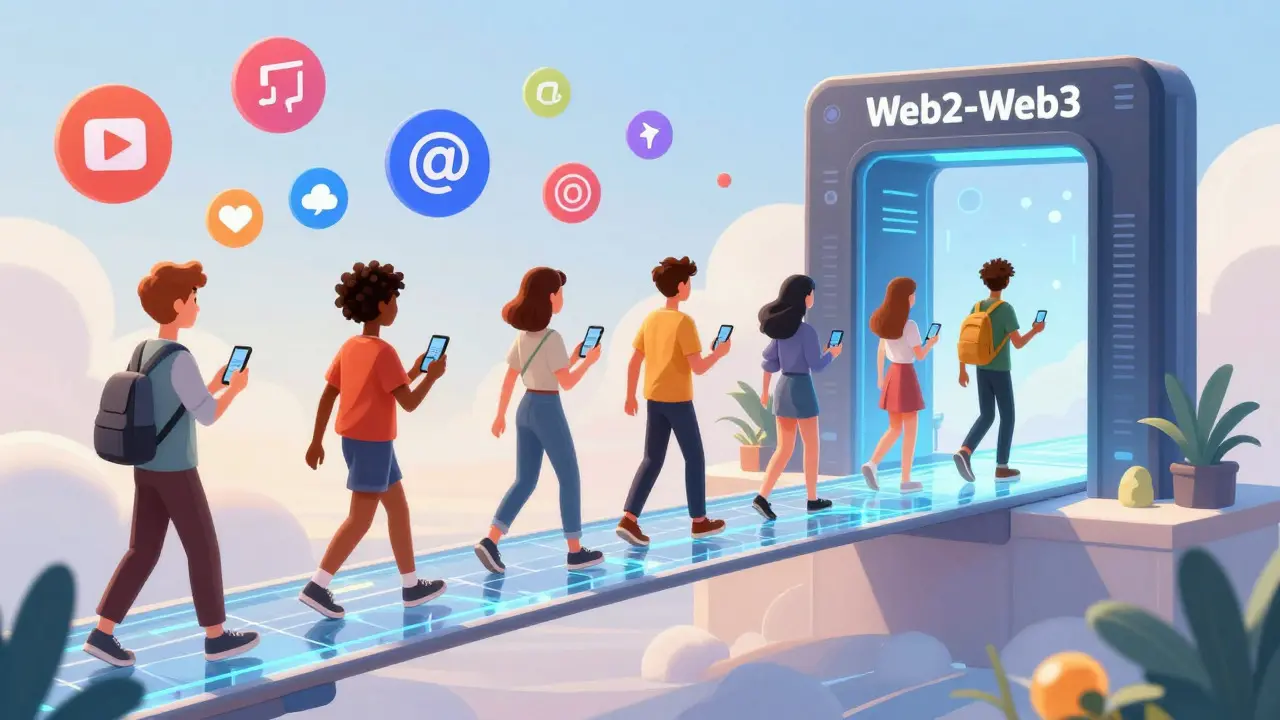
Pure Web3 solutions still face a steep learning curve. Not every fan wants to manage private keys or understand gas fees. This is why hybrid Web2-Web3 strategies are emerging as the most practical path forward. Research published in early 2025 highlights models like TOKN, which allow creators to tokenize their work while maintaining familiar interfaces on platforms like YouTube or Instagram.
This approach addresses the critical gap between usability and financial incentive. You can start by offering free "loyalty pass" NFTs to engage your existing audience without demanding immediate technical literacy. As they become comfortable, you can introduce paid tiers or exclusive gated content. TIME Magazine successfully used this strategy, implementing NFT-gated content that resulted in a 30% boost in premium engagement and a 22% increase in digital revenue quarter-over-quarter.
By meeting users where they are, you reduce the friction of entry while gradually introducing them to the benefits of digital ownership. This gradual onboarding is key to sustaining growth rather than seeing a spike followed by a drop-off.
Real-World Success Stories and Data
It’s easy to dismiss blockchain monetization as theoretical, but the data tells a different story. Friend.tech, a platform focused on social tokens, generated over $250 million in sales since August 2023. Top creators on the platform have earned between $1-$2 million monthly from transaction fees alone. This demonstrates that when incentives are aligned, audiences are willing to invest financially in the creators they love.
In the gaming sector, decentralized autonomous organizations (DAOs) and play-to-earn systems are building sustainable revenue streams. Players aren't just consuming content; they are co-owners of the ecosystem. This ownership drives higher retention rates and increased purchase frequency compared to traditional subscriptions. In the Asia-Pacific region, where 160 million users have adopted tokenized payment systems, this model is particularly resonant, with 70% of e-commerce spending now occurring through digital wallets.
Challenges and Pitfalls to Avoid
Despite the potential, blockchain monetization is not without its hurdles. The primary challenge remains user experience. Setting up a crypto wallet, managing seed phrases, and understanding network fees can be intimidating for non-technical users. If your onboarding process is too complex, you will lose potential customers.
To mitigate this, focus on abstraction. Use platforms that handle the complexity behind the scenes. Allow users to pay with credit cards initially, converting to crypto on the backend. Provide clear, jargon-free guides. Community support is also vital; active Discord servers and Twitter spaces can help troubleshoot issues and build a sense of belonging.
Another pitfall is regulatory uncertainty. Laws surrounding digital assets are evolving rapidly. Ensure your monetization strategy complies with local regulations regarding securities and taxes. Consult with legal experts if you are issuing tokens that might be classified as investment contracts.
Next Steps for Creators
If you are ready to explore blockchain monetization, start small. Don’t overhaul your entire business model overnight. Begin by minting a limited edition NFT of your best work. Experiment with a micro-payment link for your newsletter. Join communities dedicated to Web3 creators to learn from others’ experiences. The technology is maturing, and the tools are becoming more accessible. The question is no longer whether blockchain will change content monetization, but how quickly you can adapt to it.
What is the easiest way for a beginner to start monetizing content on blockchain?
Start with a user-friendly platform like Zora or OpenSea that supports credit card payments for buyers. Mint a simple NFT of your digital artwork or write-up. This allows you to test the waters without requiring your audience to set up complex wallets immediately. Focus on educating your followers about the value of ownership rather than just the technology.
How do smart contracts ensure I get paid?
Smart contracts are self-executing codes stored on the blockchain. When a buyer purchases your content or resells an NFT, the contract automatically triggers a transfer of funds to your wallet according to the predefined terms. There is no human intervention or platform approval needed, ensuring instant and transparent payment.
Are blockchain transactions expensive for small creators?
Are blockchain transactions expensive for small creators?
Not necessarily. While mainnet Ethereum fees can be high, Layer 2 solutions like Base Chain and Polygon have reduced transaction costs to less than $0.01. By choosing these networks, you can minimize overhead and retain a larger portion of your earnings, making even small sales profitable.
Can I use blockchain monetization alongside my existing Patreon or Substack?
Yes, many creators use a hybrid approach. You can offer exclusive perks or early access via NFTs to your existing subscribers. This adds value to your current offerings without replacing them entirely. It serves as a bridge to introduce your audience to Web3 benefits gradually.
What happens if a blockchain platform shuts down?
Unlike traditional platforms where your account and content can be deleted, blockchain assets are stored on a decentralized ledger. Even if a specific marketplace interface disappears, your NFTs and smart contracts remain accessible via any compatible wallet or viewer. Your ownership is tied to the blockchain, not the company.
Comments
Look, i know everyone is jumping on this blockchain bandwagon because they think its the next big thing but have you actually tried to use it? its a nightmare. you lose your keys you lose everything and there is no customer support to call up and beg for your money back. its basically gambling with extra steps and people who say otherwise are either shilling or just really bad at math. we had credit cards for decades and they worked fine so why do we need this decentralized nonsense when the only thing being decentralized is our ability to make mistakes without recourse?
I think Nick makes some valid points about the friction involved in onboarding new users, especially those who aren't tech-savvy. However, I believe the potential for direct creator-fan relationships outweighs the initial learning curve if done correctly. It's not about replacing credit cards entirely but offering an alternative for those who value ownership and transparency. We should approach this with open minds and see how hybrid models evolve over the next few years.
Alex has it right! :) The key is definitely the hybrid approach. You don't have to go all-in on Web3 overnight. Start small, maybe just offer a digital collectible as a thank you to your top supporters. It builds that sense of community and ownership which traditional platforms just can't replicate. Keep experimenting and don't be afraid to ask questions in the communities!
this whole thing feels like a scam to me. rich people buying digital pictures while artists starve. its not fair. the system is rigged against us anyway so why add crypto to it? just pay people fairly like normal humans.
Ken u r missing the point entirely. its not about the picture its about the soul of the transaction. the energy exchange between creator and consumer. when u buy an NFT u r buying a piece of their essence. its spiritual really. also the gas fees are low now so stop crying about it. wake up sheeple.
Rita speaks truth but lets keep it grounded. the moral implication of owning digital scarcity is complex. it challenges our notion of value. is value subjective or objective? blockchain forces us to answer that question. most people just want free stuff but true art requires sacrifice. whether that sacrifice is time or crypto is irrelevant. the artist must be compensated for their labor regardless of the medium.
hi from india! :D we love crypto here. many people use it for payments daily. it helps bypass banking issues. creators here are using it to reach global fans without high fees. its growing fast. hope more western creators try it too. peace out :)
Namrata is absolutely right! 🌍🙌 The adoption in Asia-Pacific is huge and it’s inspiring to see. As a creator, seeing that engagement boost mentioned in the article (30% premium engagement) is really exciting. It shows that fans are willing to invest if the value is clear. Let’s bridge that gap! 🚀✨
The data regarding Friend.tech earnings is staggering. $250 million in sales indicates a massive shift in consumer behavior. Creators need to pay attention to these metrics. If you ignore this trend, you risk being left behind by competitors who embrace these tools. It is not just hype; it is a viable economic model that rewards loyalty and influence directly.
Eric, while the numbers are impressive, we must consider the emotional toll on creators trying to navigate this space. Many feel overwhelmed by the technical jargon and the pressure to perform constantly. It’s important to remember that behind every token is a human being seeking connection, not just profit. Let’s ensure the technology serves the community, not the other way around.
Amor you sound like a victim. life is hard. if you cant handle a wallet seed phrase you dont deserve to create art. its simple as that. the elite understand this. the masses will always complain until they are forced to adapt. join the revolution or stay poor. your choice. dramatic much?
Lance is being his usual pretentious self but he hits on a core philosophical issue: agency. blockchain returns agency to the individual. most people fear agency because it requires responsibility. smart contracts remove the middleman’s discretion which is both liberating and terrifying. we must embrace the terror to find freedom. jargon aside its about power dynamics.
i tried setting up a wallet last week and almost cried. its so confusing. why cant it just be like paypal? maybe im just old fashioned but i miss simple times. hope this gets easier soon cause i wanna support my fav artists.
Eden!! Don’t give up!!! The UX is improving rapidly every single day!!! Look into Layer 2 solutions like Base or Polygon!!! They are super cheap and fast!!! You can even link a credit card on some platforms now!!! It’s getting easier!!! Stay strong!!! 💪💪💪
you guys are all so negative. its actually really fun once you get it. i made my first nft yesterday and felt so proud. stop judging others choices and just try it. life is short enjoy the journey. also lorraine loves crypto.