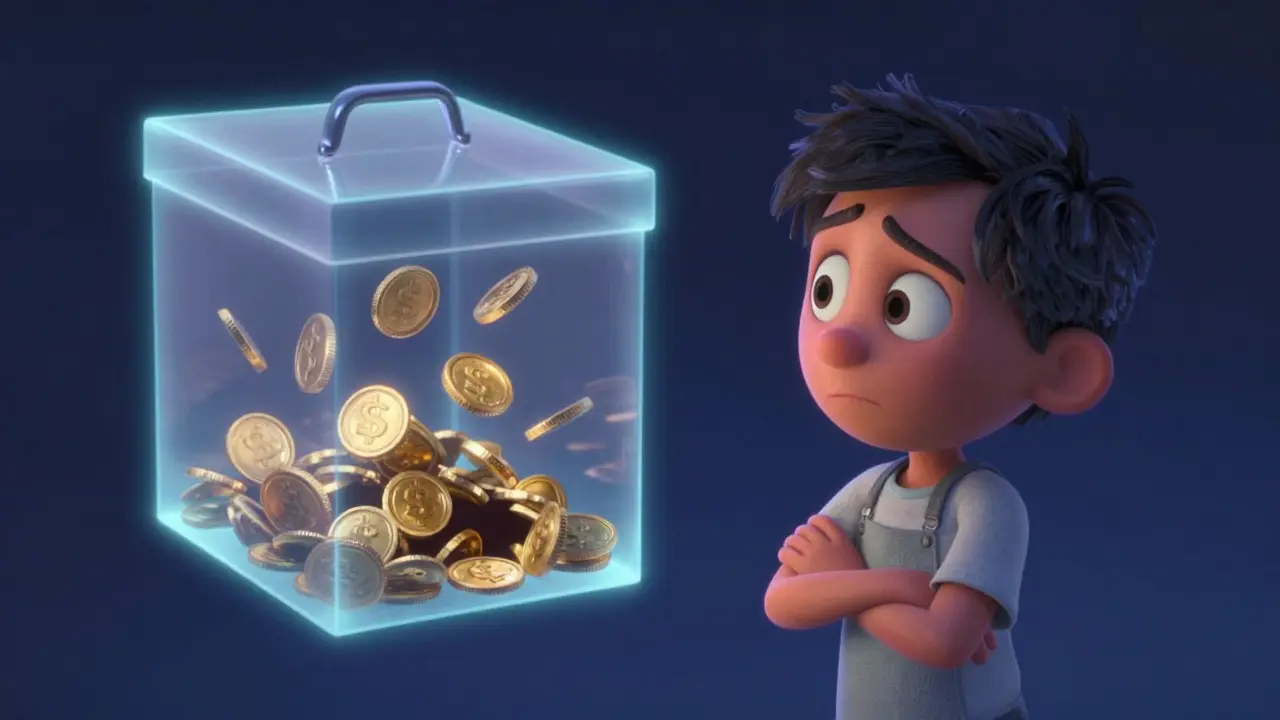
Every year, billions of dollars intended for the world's most vulnerable people vanish into the pockets of scammers. Interpol estimates that reducing charity fraud is a massive uphill battle, with roughly $40 billion lost annually to deceptive practices. Most of us have felt that hesitation before clicking "donate"-the nagging doubt about whether our money actually reaches the shelter or the clinic, or if it just gets swallowed by administrative bloat and corruption. This is where Blockchain is a decentralized, distributed ledger technology that records transactions across many computers so that the record cannot be altered retroactively. By replacing trust in a middleman with trust in math, we can finally see exactly where every cent goes.
Why Traditional Giving is Broken
Most of us use platforms like GoFundMe or JustGiving. While they are convenient, they operate as "black boxes." Once you hit send, you're basically trusting the charity's word that the funds were spent correctly. In fact, a 2023 Charity Digital survey found that about 38-42% of donors are uncertain about how their money is actually used. This lack of visibility creates a perfect environment for invoice falsification and account diversion.
The real danger often lies in centralized servers. According to reports from the Charity Commission UK, 78% of charity fraud happens at these centralized points of failure. If a single administrator has total control over the ledger, they can change numbers, hide expenses, or simply redirect funds without anyone noticing for months or years.
How Blockchain Fixes the Leak
Instead of a private book kept by one accountant, Polygon is a Layer 2 scaling solution for Ethereum that provides faster and cheaper transactions while maintaining security. When a charity uses a blockchain like Polygon, every donation becomes a public, immutable record. You can't "erase" a transaction once it's confirmed.
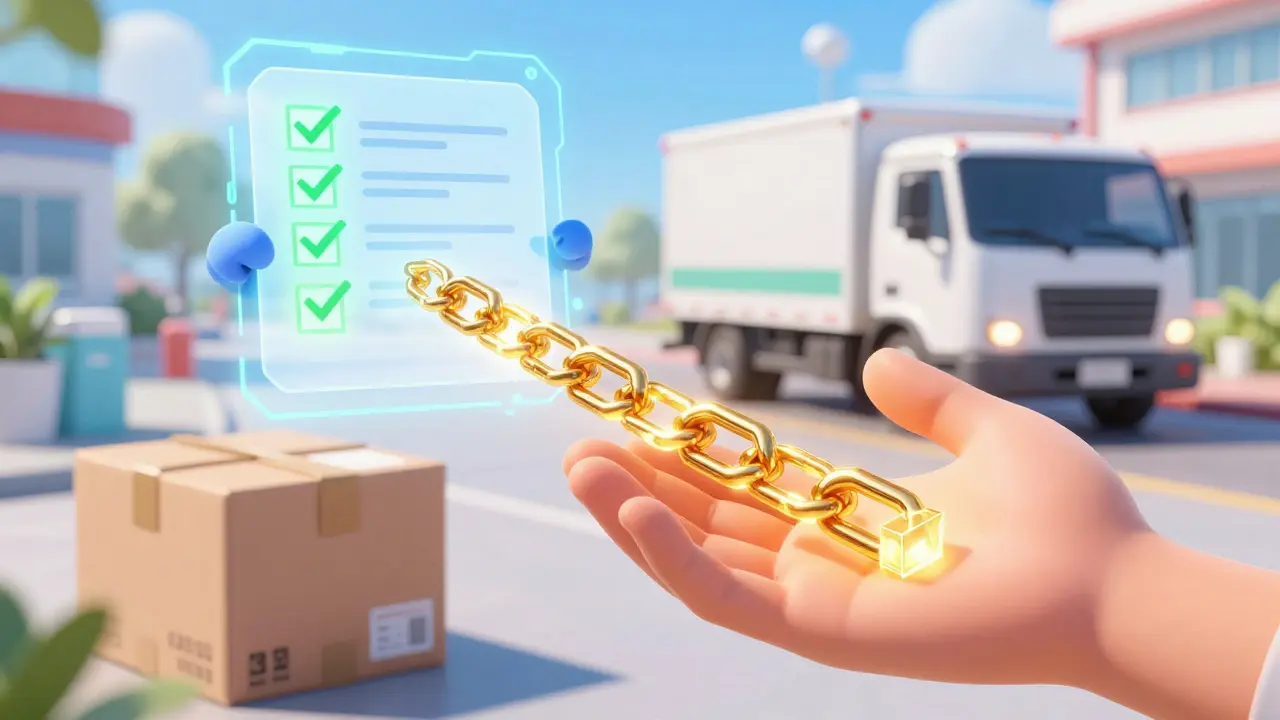
The real magic happens with Smart Contracts, which are self-executing contracts with the terms of the agreement directly written into lines of code. Imagine a donation that only unlocks when a specific milestone is met-like a verified shipment of medical supplies arriving at a hospital. This removes the "single point of control" that fraudsters rely on. Dr. Elena Rodriguez from the MIT Blockchain Lab notes that this approach can reduce fraud vectors by as much as 82%.
Real-World Systems Making an Impact
This isn't just theoretical. Several frameworks are already proving that transparency works. Take D-Donation, a decentralized application (DApp) that leverages the Ethereum Virtual Machine. In test environments, it achieved 100% transaction transparency. Because it uses a Proof-of-Stake consensus mechanism, it can process 65,000 transactions per second with negligible fees, making it practical for even small micro-donations.
Then there is Charity Wall, which excels at tracking physical goods. During COVID-19 relief, they used QR code integration to track in-kind donations like food and medicine with 98.7% accuracy. One donor in Italy reported being able to see their €200 donation turn into exactly eight boxes of pasta delivered to a Naples shelter within 72 hours. That level of granularity is impossible with a traditional bank statement.
| Feature | Traditional Platforms | Blockchain Systems (e.g., D-Donation, BECP) |
|---|---|---|
| Transaction Visibility | Low (Trust-based) | 100% Publicly Traceable |
| Administrative Overhead | High (Manual Audit) | Reduced by ~63% via Automation |
| Fund Disbursement | Manual / Discretionary | Automated via Smart Contracts |
| Onboarding Speed | Fast (~12 minutes) | Slower (~45 minutes) |
| Data Immutability | Modifiable by Admins | 99.998% Immutable |
The Roadblocks: Why Isn't Everyone Doing This?
If it's so much better, why is the market penetration still under 1%? The biggest hurdle is the "user experience gap." For a 70-year-old donor, setting up a MetaMask wallet-a software cryptocurrency wallet used to interact with the Ethereum blockchain-can be a nightmare. We've seen cases where complex wallet management led to lost donations because the donor simply couldn't figure out the interface.
There's also a steep learning curve for the charities themselves. The BECP framework, while powerful, saw a 34% abandonment rate in Kenya pilots because administrators found the blockchain interface more complex than their entire existing accounting system. Most require 8 to 12 hours of specialized training just to get started.
We also can't ignore the "digital divide." Blockchain requires internet access. UNDP testing shows these systems only effectively reach 41% of rural populations, whereas traditional mobile money is much more accessible in remote areas. Until we solve the connectivity issue, blockchain remains a tool for the connected world.
Technical Implementation Strategy
For a medium-sized charity looking to move away from fragile centralized systems, a phased rollout is the safest bet. A typical implementation takes about 6 to 8 weeks and usually follows this technical stack:
- Backend: Smart contracts written in Solidity, the primary language for Ethereum-compatible networks.
- Network: A Layer 2 solution like Polygon to keep gas fees (transaction costs) near zero.
- Frontend: A user-friendly interface built with React.js to hide the complexity of the blockchain from the donor.
- Middleware: Tools like Chainlink to bring real-world data (like delivery confirmations) onto the blockchain.
The goal is to make the blockchain "invisible." The donor should feel like they are using a standard app, while the underlying ledger handles the immutable auditing in the background.
Looking Ahead: The Future of Trust
We are moving toward a world where "trust me" is no longer a valid answer from a non-profit. With AI-powered fraud detection now being integrated into D-Donation 2.0 and the United Nations OCHA integrating Charity Wall for disaster relief, the momentum is shifting. Gartner predicts a 22% market penetration by 2027.
The risk is no longer just about a bad actor stealing money; it's about fragmentation. If every charity uses a different, incompatible blockchain, we create a mess of "digital silos." The industry is currently fighting this by adopting ERC-20 and ERC-721 standards to ensure that tokens and assets can move across different networks without friction.
Does blockchain completely eliminate charity fraud?
Not entirely, but it removes the most common vectors. While it prevents account diversion and ledger tampering, it cannot stop "social engineering" (someone lying about the cause they are funding) or vulnerabilities in the smart contract code itself. Independent audits show about 17% of charity DApps have some level of smart contract vulnerability.
Is it too expensive for small charities to implement?
The initial setup cost can be high due to the need for blockchain developers. However, once running on a Layer 2 network like Polygon, the ongoing transaction fees are fractions of a cent. The real cost is the 40+ hours of training required for staff to manage the system.
Do I need to own cryptocurrency to donate via these systems?
Ideally, no. Most modern blockchain charity interfaces use middleware to allow donors to pay with credit cards or bank transfers, which are then converted to stablecoins on the backend. The blockchain is used as the accounting layer, not necessarily the payment method.
What is a "smart contract" in the context of giving?
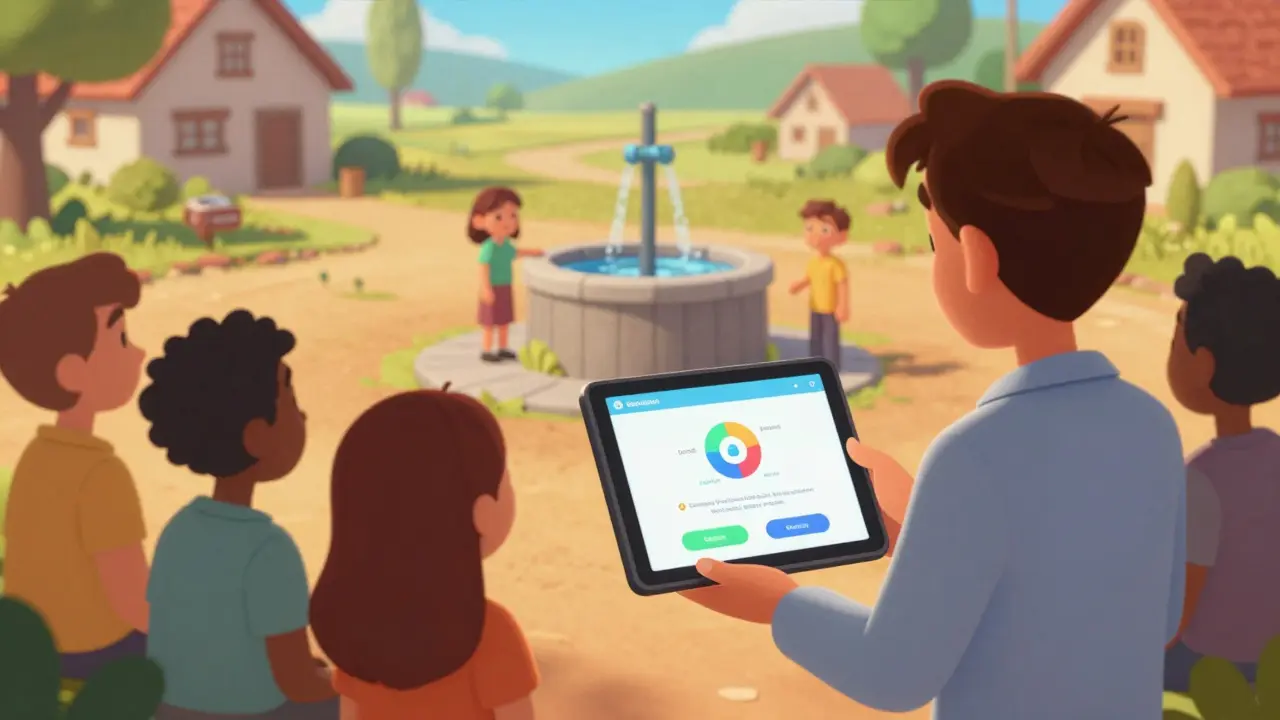
A smart contract is a piece of code that automatically moves money when certain conditions are met. For example, a contract could be set to release funds to a builder only after a third-party inspector uploads a photo of a completed well in a village.
How does this compare to a traditional audit?
Traditional audits are retrospective-they happen months after the money is spent. Blockchain auditing is real-time. You don't wait for a yearly report; you can check the ledger at any moment to see the flow of funds from your wallet to the end beneficiary.
Next Steps for Organizations
If you're running a non-profit and want to transition, don't jump in all at once. Start with a pilot campaign for a single project. This allows you to educate your most tech-savvy donors first and identify where your staff struggles with the interface. Partner with a legal consultancy to ensure you're compliant with local regulations, as only about 19 countries currently have clear blockchain charity guidelines. Finally, focus on "invisible blockchain"-prioritize the user interface so your donors don't have to become crypto-experts just to do something kind.

Comments
This is such a refreshing take on the intersection of philanthropy and technology! I've spent quite a bit of time looking into Layer 2 solutions and Polygon really is a game-changer for reducing those pesky gas fees that used to make micro-donations totally impractical back in the day. It's wonderful to see the focus on 'invisible blockchain' because, let's be honest, most people just want to help others and they don't want to spend three hours fighting with a seed phrase or worrying about private keys just to send ten bucks to a food bank. I truly believe that as the UX improves and we get more tools like Chainlink to bridge the gap between physical deliveries and digital records, the trust gap in the non-profit sector will finally close and we'll see a massive surge in global giving.
India is already leading the way in digital payments with UPI, so this blockchain transition is just a natural evolution. You people in the West are always lagging behind when it comes to actually implementing scalable tech in the real world. This is exactly why our infrastructure is becoming superior; we don't just theorize, we execute.
The point about the 'user experience gap' is the most critical part of this entire discussion. If the barrier to entry is too high, the most secure system in the world is useless because nobody will use it. I'm curious if there's a way to integrate biometric authentication to bypass the wallet setup entirely for non-tech users.
Love the optimism here. We can definitely make this work!
The 41% connectivity rate in rural areas is a huge bottleneck!! We need satellite internet integration for this to actually be global!!!
One must ponder if the removal of human trust in favor of mathematical certainty is truly a moral victory. While efficiency is admirable, the spiritual essence of charity lies in the leap of faith one takes for another human being. ॐ
It is profoundly disappointing that some of you prioritize 'leaps of faith' over the systemic eradication of corruption. To embrace inefficiency in the name of spirituality is not only naive but morally irresponsible when children are starving due to administrative theft.
Honestly, this is just a glorified spreadsheet with a fancy name. It's absolutely tragic that we're pretending a new ledger solves the fundamental problem of people being greedy. Just a bunch of buzzwords to attract VC funding, as usual.
Oh sure, because replacing a human accountant with a smart contract that might have a bug in the code is definitely the peak of security. Great plan.
The 17% vulnerability rate in smart contracts is way too high. Who is auditing these things? We can't just ship 'beta' code when it involves millions in charity funds.
I totally get the concern about security, but the shift toward formal verification of smart contracts is helping. It's a process of iteration. If we want the benefits of real-time auditing, we have to accept a learning curve in the tech.
We need to ensure that the transition to these systems doesn't further alienate the populations we are trying to help. Tech should be a bridge, not a wall.
so true kaitlyn we just need to keep the focus on the people and not just the code
The integration of Chainlink oracles to trigger the smart contracts based on real-world API data is a very elegant solution to the 'last mile' problem in logistics. It effectively mitigates the risk of oracle failure through decentralized data feeds.
The only real way this works is if we stop relying on foreign-made tech and build a purely American blockchain standard that keeps our money safe from globalist agendas and those crooked internationel orgs that just want to tax us more!!
They're just using 'transparency' as a cover to track every single movement of money globally. First it's charity, then it's your whole life on a public ledger. I've seen how these 'standardizations' work.
Let's try to keep things positive! Even if it's not perfect, a system that's 80% better than the current mess is still a huge win for everyone involved.
typical. just another way for the elites to launder money while pretending to save the world. its all a scam anyway
It is an absolute travesty that the digital divide is being treated as a mere 'roadblock' rather than a systemic failure of the highest order! The sheer audacity of suggesting a 45-minute onboarding process for the underprivileged is simply appalling!
Too long. Basically says we can't trust anyone. Boring.
Lmfao imagine thinkin' some L2 chain solves the problem when the whole system is rigged by the globalists anyway. Just more buzzwords to distract from the real power grab. Pure cope.
I'm definitely on board with the idea, though I think we should be more assertive about pushing these standards onto the larger NGOs. They're the ones with the most 'bloat' and they're the ones who need this the most.