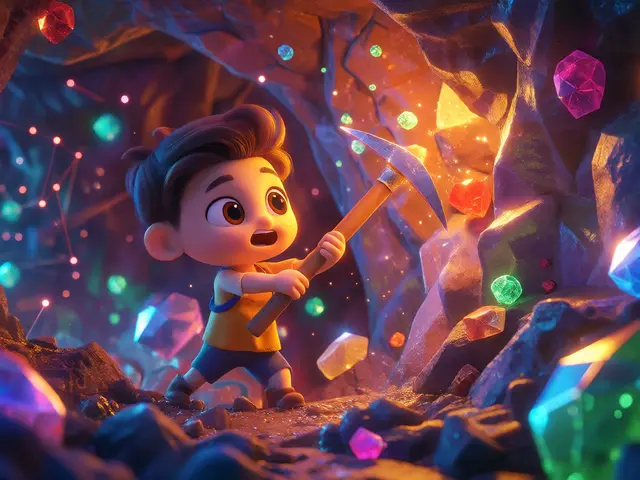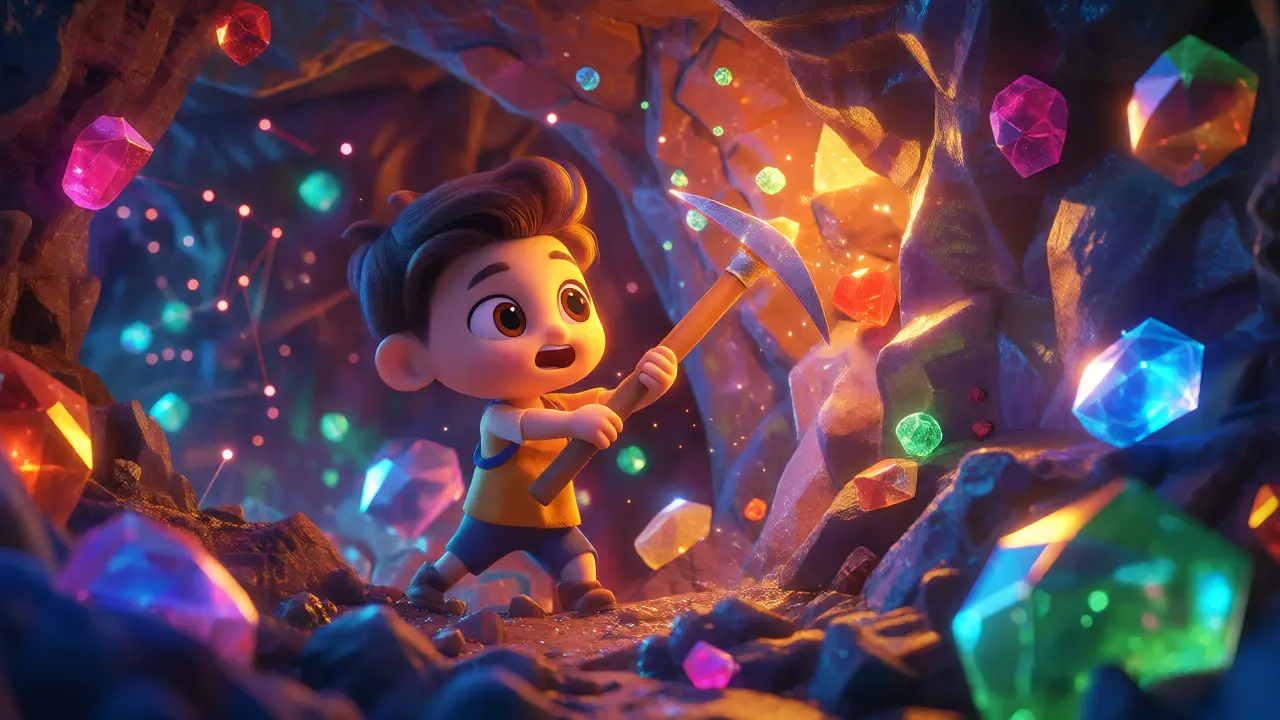
Imagine mining virtual gems that hold real-world value, not just points on a screen. That is the core promise of Brilliantcrypto and its native token, BRIL. Launched in June 2024 after a massive $212 million initial exchange offering, this project aims to fix what broke in the first wave of Play-to-Earn games: unsustainable economies. Instead of printing money out of thin air, it ties digital assets to gemstone valuation principles.
If you are wondering whether BRIL is worth your attention or how it actually works, you are in the right place. We will break down the mechanics, the tokenomics, and the reality behind the hype. No fluff, just the facts about this Polygon-based game.
The Core Concept: Mining Gems for Real Value
At its heart, Brilliantcrypto is a blockchain-based game where players mine digital gemstones. But unlike typical mobile games where loot is cosmetic, these gems have assigned values based on rarity and characteristics, mirroring real-world gemology. The game operates on a client-server architecture that blends traditional gaming infrastructure with blockchain technology.
Here is how the loop works:
- Mining: Players use pickaxes to dig for "Brilliantstones" in various virtual regions.
- Conversion: These stones are automatically converted into BRIL points three times daily.
- Tokenization: Once approved in your region, these points become tradable BRIL tokens on the Polygon network.
This system is designed to prevent the hyperinflation that killed projects like Axie Infinity. By tying supply to actual gameplay activity rather than just emission schedules, the developers aim for a sustainable economy. It’s a model they call "Proof of Gaming," which sounds fancy but essentially means you earn by playing, not just by holding.
Understanding the BRIL Token and Blockchain Tech
BRIL is an ERC20 utility token running on the Polygon PoS chain. Why Polygon? Because Ethereum mainnet fees would make micro-transactions for gem mining prohibitively expensive for most players. Polygon offers speed and low costs, which is critical for a game where you might be trading small amounts frequently.
Legally, BRIL has a specific status in Japan, classified as a "Type 1 Crypto Asset" under the Payment Service Act. This isn't just bureaucratic trivia; it matters because Japan was the primary market for the IEO. Being legally compliant there gives the project a level of stability that many unregulated offshore tokens lack.
However, there is a catch. You cannot always convert your mined gems into spendable BRIL immediately. The whitepaper states that conversion depends on local regulatory approval and exchange listings in your selected country. If you are in a region where BRIL isn't fully listed yet, you might find yourself with a pile of points you can't cash out. This geographic fragmentation is a major pain point for international players.
| Feature | BRIL (Brilliantcrypto) | GALA (Gala Games) | SAND (The Sandbox) |
|---|---|---|---|
| Blockchain | Polygon (ERC20) | Ethereum/Polygon | Ethereum/Polygon |
| Primary Utility | Gem Mining & Jewelry NFTs | Game Node Hosting & Content | Virtual Land & Assets |
| Market Cap (Approx.) | $1.13 Million | $727 Million | $1.28 Billion |
| Circulating Supply % | 8.44% | ~50% | ~60% |
The Economic Reality: Market Cap and Liquidity Risks
Let’s look at the numbers, because they tell a different story than the marketing materials. As of late 2024, BRIL had a market capitalization of roughly $1.13 million. For a project that raised $212 million in its IEO, that is a stark contrast. It suggests that while early investors got in cheaply, the secondary market hasn't fully embraced the token's valuation yet.
With only 8.44% of the total 1 billion token supply in circulation, the Fully Diluted Valuation (FDV) sits around $13.45 million. This low circulating supply is a double-edged sword. On one hand, scarcity could drive price up if demand spikes. On the other, it means significant selling pressure looms as more tokens unlock over time. Analysts often warn that high FDV relative to market cap can lead to long-term downward price trends unless utility grows faster than supply.
Liquidity is another concern. The daily trading volume hovers around $3,740 USD. In crypto terms, that is thin. Thin liquidity means large buy or sell orders can swing the price violently. If you plan to trade BRIL actively, be prepared for volatility. It is not a stable store of value right now; it is a speculative asset tied to game adoption.
Gameplay Mechanics: More Than Just Clicking
So, is the game actually fun? User feedback from platforms like Trustpilot averages 4.1/5 stars, with many praising the intuitive mining interface. The visual feedback when discovering rare gems reportedly creates genuine excitement, similar to opening a loot box in traditional gaming.
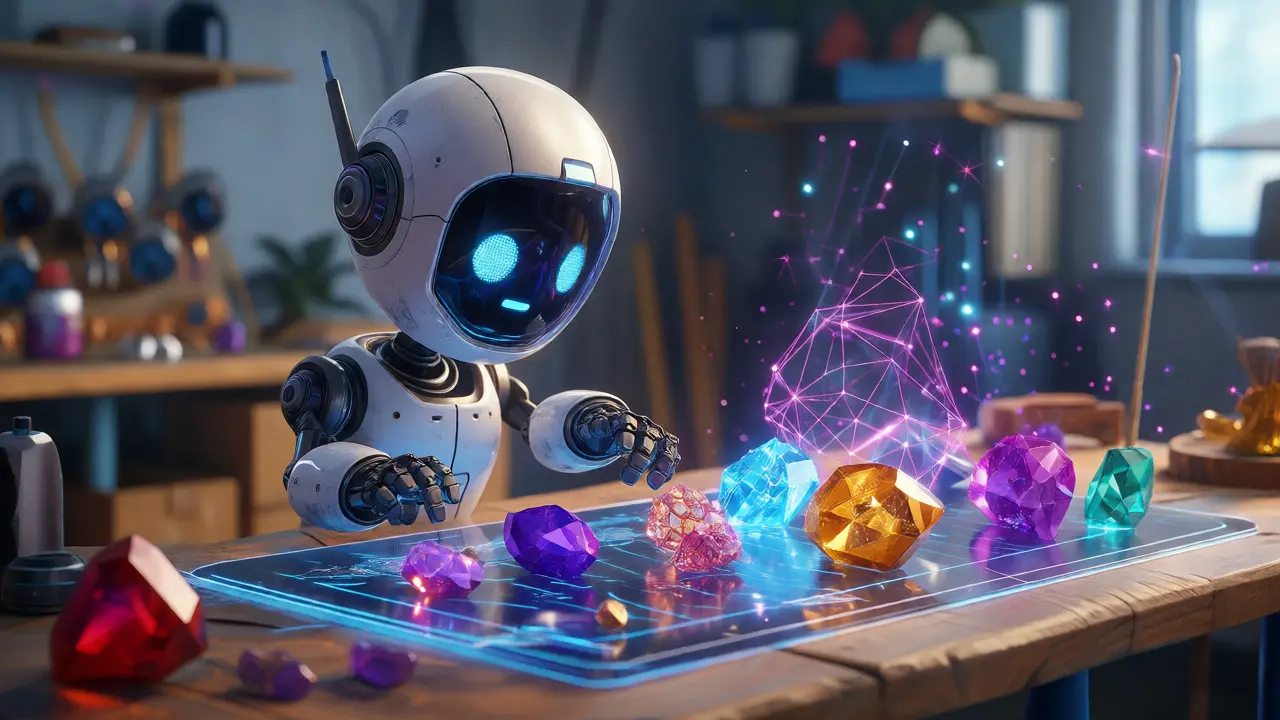
Beyond mining, the platform features a jewelry workshop. Here, players can combine common gems to create rarer composite stones, which can then be minted as NFTs. These NFTs aren't locked inside Brilliantcrypto; partnerships with digital fashion platforms allow them to be used in other metaverses. This interoperability is key. If your gem NFT looks good in Decentraland or The Sandbox, its value isn't solely dependent on Brilliantcrypto's internal economy.
New players typically need 3-5 hours to get comfortable with basic mining. Mastering advanced strategies, like marketplace arbitrage or optimal gem combination, takes closer to 10-15 hours. The learning curve is moderate-steeper than Candy Crush, shallower than DeFi yield farming.
Community Sentiment and User Experience
The community is growing, with over 200,000 token holders spread across 84 countries. Japan dominates adoption, accounting for nearly 29% of holders, followed by the US and South Korea. This concentration makes sense given the Coincheck IEO origin, but it also creates risk. If Japanese regulations shift, the project loses its biggest base.
Reddit discussions highlight two main camps. Optimists love the "real economic opportunity" angle, noting that earning BRIL feels tangible compared to abstract crypto rewards. Skeptics, however, complain about slow conversion times and limited marketplace functionality at launch. One user noted, "I participated in the IEO but can't use BRIL in-game yet because of regulatory approvals." This friction between global ambition and local regulation remains the biggest hurdle for widespread adoption.
Support infrastructure is decent. There is a 24/7 chat system with average response times of 22 minutes, according to user reports. The Discord community, with over 12,000 members, hosts weekly "Mining Masterclass" sessions, which helps onboard new users who might feel overwhelmed by the wallet setup process.
Future Outlook: Roadmap and Potential
The development team has aggressive plans. Upcoming updates include monthly region expansions, such as the recent "Azure Caverns" update which added new gem types. More importantly, technical improvements are scheduled for 2025 to reduce the Brilliantstone-to-BRIL conversion frequency from three times daily to real-time processing. This addresses the top complaint from users.
Integration with major metaverses like Decentraland and The Sandbox is slated for Q1 2025. If successful, this could decouple BRIL's value from the game itself, making it a broader utility token for digital assets. Some analysts predict a potential valuation of $0.05-$0.08 per token by 2026 if these integrations stick, representing significant growth from current levels.
But don't ignore the risks. The "B+" rating from Blockchain Gaming Partners cites "critical dependence on maintaining gem mining excitement." If the novelty wears off and players leave, the token price will follow. There is no guarantee that the fun factor lasts longer than the hype cycle.
Frequently Asked Questions
Is Brilliantcrypto (BRIL) a scam?
No, it is not considered a scam. It completed a verified $212 million IEO on Coincheck and operates under Japanese legal frameworks. However, like all cryptocurrencies, it carries investment risk due to low liquidity and speculative nature.
How do I withdraw my earnings from Brilliantcrypto?
You must first convert mined Brilliantstones into BRIL points, which happen automatically three times a day. Then, depending on your country's regulatory status and exchange listings, these points convert to tradable BRIL tokens which you can send to a compatible Polygon wallet.
Which blockchain does BRIL use?
BRIL is an ERC20 token issued on the Polygon PoS blockchain. This choice ensures low transaction fees and fast confirmation times suitable for gaming interactions.
Can I play Brilliantcrypto without buying tokens?
Yes, the game allows free-to-play participation where you can mine gems. However, premium features, better pickaxes, and higher earning potential usually require owning BRIL or other in-game assets.
Why is BRIL's market cap so low compared to its funding?
The discrepancy arises because only 8.44% of the total supply is currently circulating. The market cap reflects only traded tokens, while the funding reflected the total valuation of the project including locked tokens. As more tokens unlock, this gap may narrow.
Final Thoughts: Should You Care About BRIL?
Brilliantcrypto is an interesting experiment in fixing broken Play-to-Earn models. It has strong backing, legal clarity in key markets, and a unique gem-mining mechanic. But it is still young. The low liquidity and geographic restrictions mean it is not ready for mainstream casual gamers yet.
If you enjoy grinding for loot and understand the basics of crypto wallets, it might be worth trying. Treat it as a hobby with potential upside, not a guaranteed income stream. Keep an eye on the 2025 roadmap for metaverse integrations-that is likely where the real test of its longevity begins.