
Ever tried to use Bitcoin on Ethereum? You can’t. They speak different languages. That’s where wrapping comes in. It’s not magic; it’s a bridge. Think of it as putting your native coin into a digital vault and getting a receipt that works elsewhere. This receipt is the wrapped token. When you want your original coin back, you unwrap it. The process sounds simple, but understanding how it actually works saves you from losing money in complex DeFi protocols.
What Exactly Is Wrapping?
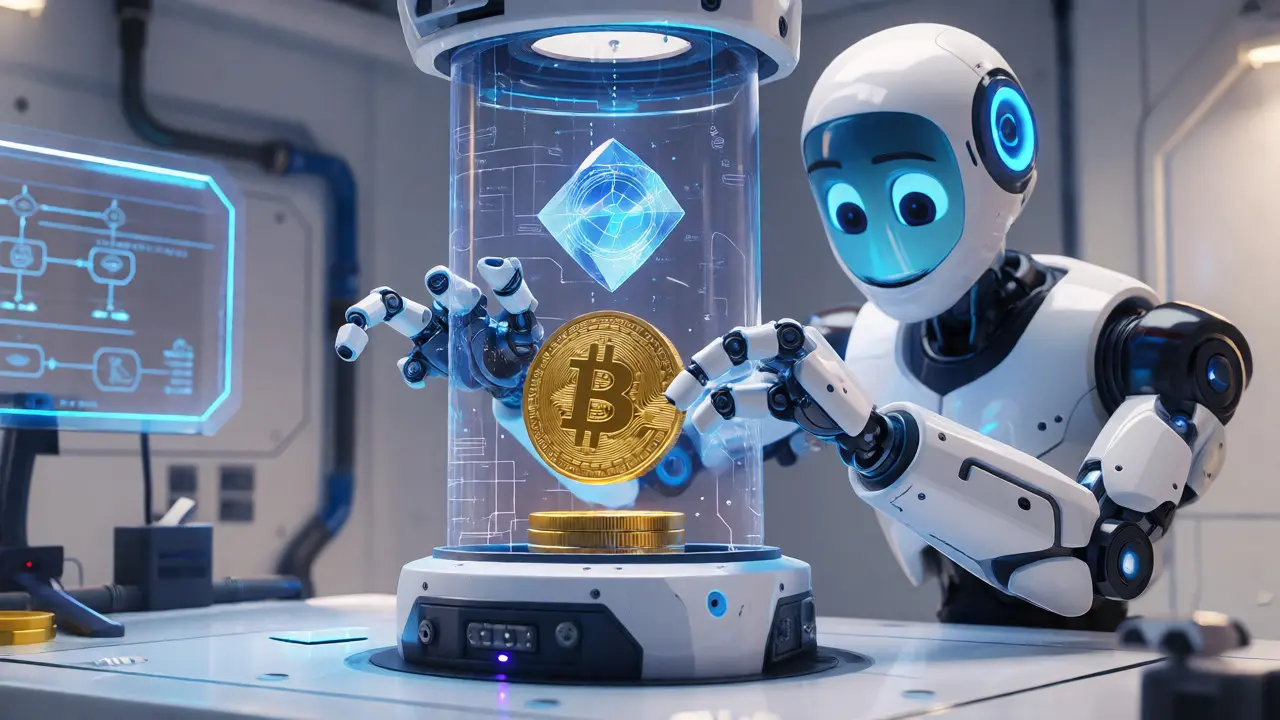
In blockchain terms, wrapping is the process of locking an asset on its native chain and minting a new token on another chain. This new token represents the original asset one-to-one. For example, if you wrap Bitcoin (BTC) to use it on Ethereum, you lock BTC in a smart contract. In return, you receive WBTC (Wrapped Bitcoin). WBTC behaves like ERC-20 tokens, so it fits seamlessly into Ethereum-based apps like Uniswap or Aave.
The key here is custody. Someone, or something, holds your original coins. In centralized models, a company does this. In decentralized models, a network of nodes does. The wrapped token is just a claim check. If the issuer goes bankrupt or the smart contract has a bug, your claim might be worthless. That’s the risk you take for interoperability.
The Mechanics: How Wrapping Happens
Let’s walk through the actual steps. Imagine you have 1 ETH and want to use it on the Polygon network. Here is what happens under the hood:
- Deposit: You send your 1 ETH to a specific smart contract address on the Ethereum mainnet.
- Locking: The smart contract confirms the transaction. Your ETH is now locked. It cannot be moved by anyone else.
- Minting: The protocol detects the deposit and mints 1 WETH (or a Polygon-specific wrapped version) on the destination chain.
- Delivery: The new wrapped token appears in your wallet on Polygon.
This process isn’t instant. It depends on block confirmation times. On Ethereum, this might take minutes. On faster chains, it’s quicker. But during that window, your funds are technically "in transit." You don’t own the original ETH anymore; you own the wrapped version. The value should remain pegged at 1:1, but market forces can cause slight deviations.
Unwrapping: Getting Your Coins Back
Unwrapping is the reverse operation. You burn the wrapped token to unlock the original asset. Using our previous example, if you want your ETH back from Polygon, you send your wrapped tokens to the bridge contract on Polygon. The contract burns these tokens. Then, it signals the Ethereum contract to release your original ETH. You receive 1 ETH in your Ethereum wallet.
Why would you do this? Maybe you want to hold long-term, or perhaps you’re exiting a yield farming position. Unwrapping removes the counterparty risk associated with holding a synthetic representation. You get back the real thing. However, remember that gas fees apply on both ends. You pay to wrap and you pay to unwrap. These costs eat into profits, especially for small transactions.
Centralized vs. Decentralized Wrappers
Not all wrappers are created equal. The method of custody defines the trust model. This is the most critical distinction for any user.
| Feature | Centralized Wrapper (e.g., WBTC) | Decentralized Wrapper (e.g., wstETH) |
|---|---|---|
| Custody | Held by a single entity or consortium | Held by smart contracts or validator sets |
| Trust Assumption | High. You trust the issuer’s reserves | Low. You trust code and consensus |
| Audits | Regular off-chain attestations | On-chain verifiable proofs |
| Risk Profile | Counterparty default, regulatory seizure | Smart contract bugs, oracle failures |
| Examples | WBTC, USDT (bridged versions) | wstETH, RenBTC (historical), Lido |
With WBTC, BitGo holds the actual Bitcoin in cold storage. If BitGo faces legal issues, WBTC could depeg. With decentralized options like Lido, which wraps staked ETH, the risk shifts to smart contract vulnerabilities. There is no CEO to sue if the code fails. You must choose which risk you prefer: human error or code error.
Why Do We Need Wrapped Tokens?
You might ask, why not just swap assets? Selling Bitcoin to buy Ethereum triggers taxes and spreads. Wrapping preserves your position. It lets you access liquidity pools that only accept specific token standards. Most DeFi protocols require ERC-20 tokens. Bitcoin doesn’t fit that mold natively. By wrapping it, you gain access to thousands of lending markets, DEXs, and yield opportunities.
It also enables composability. You can use wrapped Bitcoin as collateral to borrow stablecoins. Without wrapping, you’d have to sell your BTC to get cash, potentially missing out on price appreciation. Wrapping keeps your exposure to the underlying asset while letting you interact with other ecosystems. It’s financial legibility translated into code.

Pitfalls and Risks to Watch
Don’t assume wrapped tokens are identical to their originals. They are derivatives. If the backing collapses, the token becomes worthless. Remember TerraUSD? Its algorithmic stability failed. While wrapped tokens usually rely on over-collateralization or direct reserves, they still carry risks.
- Depegs: During high volatility, the price of a wrapped token might drift from the native asset. Arbitrageurs usually fix this, but gaps happen.
- Liquidity Traps: If there aren’t enough buyers for the wrapped token, you might struggle to unwrap it quickly. Check trading volume before entering large positions.
- Bridge Hacks: Bridges are prime targets for hackers. Over $2 billion has been lost in bridge exploits since 2021. If the bridge contract is drained, your wrapped tokens lose their backing.
- Fees: Gas costs vary wildly. Wrapping on Ethereum mainnet during congestion can cost more than the profit from a small trade.
Real-World Example: The WBTC Process
Let’s look at a concrete scenario. Alice holds 10 BTC. She wants to lend them on Compound Finance (an Ethereum protocol). She sends her BTC to the BitGo custodial wallet. Within hours, she receives 10 WBTC in her MetaMask wallet. She deposits this WBTC into Compound and starts earning interest. Her BTC is safe in BitGo’s vault, insured against theft. But if BitGo loses the keys, Alice’s WBTC is just a number on a screen.
Later, Alice wants to exit. She withdraws 10 WBTC from Compound. She sends it to the redemption contract. The contract burns the WBTC. BitGo verifies the burn and releases 10 BTC to Alice’s Bitcoin address. The cycle completes. No sale occurred. She never paid capital gains tax on the movement, only on the interest earned.
Is wrapping the same as bridging?
They are related but distinct. Bridging moves assets between chains. Wrapping creates a synthetic version of an asset on a new chain. Often, bridges use wrapping mechanisms to function. However, some bridges simply transfer ownership without creating a new token standard. Wrapping specifically refers to the creation of a proxy token that mirrors the original.
Can I unwrap my tokens instantly?
No, it is rarely instant. The process involves multiple blockchain confirmations. On slow chains like Bitcoin, waiting for 6 confirmations can take an hour. On fast chains, it might take seconds. Plus, some centralized issuers have processing delays for redemptions, sometimes taking days for large amounts.
What happens if the wrapper loses the original coins?
The wrapped token typically depegs and crashes toward zero. Since the token is a claim on the underlying asset, if the claim cannot be honored, the token loses its utility. Investors may panic-sell, causing a bank run scenario. Always check proof-of-reserves audits for centralized wrappers.
Are there fees for wrapping and unwrapping?
Yes. You pay network gas fees for every transaction. Some protocols charge a percentage fee for the service itself, often around 0.1% to 0.5%. These fees cover the cost of maintaining the smart contracts and paying node operators or custodians.
Can I wrap any cryptocurrency?
Technically, yes, if a bridge supports it. Practically, only major assets have deep liquidity for wrapped versions. Wrapping obscure altcoins might result in low trading volumes, making it hard to sell or unwrap when needed. Stick to well-known assets like BTC, ETH, or USDC for better liquidity.
Next Steps for Users
If you plan to use wrapped assets, start small. Test the process with a tiny amount. Verify that the unwrapping works smoothly before committing significant capital. Use reputable bridges and check recent security audits. Keep an eye on the peg status using tools like Chainlink or dedicated DeFi dashboards. Wrapping unlocks powerful financial tools, but it requires vigilance. Treat wrapped tokens as IOUs backed by technology, not just math.

Comments
The ontological status of wrapped assets presents a fascinating epistemological dilemma for the modern economist. We are essentially trading the certainty of native chain finality for the liquidity of synthetic representations, thereby introducing a layer of abstraction that separates value from its original substrate. This is not merely a technical bridge but a philosophical shift in how we perceive ownership and trust within decentralized systems.
When one locks an asset, they are surrendering the raw cryptographic proof of possession in exchange for a tokenized claim, which is fundamentally dependent on the integrity of the custodial or consensus mechanism holding that lock. The risk profile changes from purely mathematical to socio-technical, blending code with human or institutional behavior. It forces us to confront the reality that interoperability comes at the cost of purity, creating hybrid financial instruments that defy traditional categorization.
We must consider whether this fragmentation of asset identity undermines the very ethos of blockchain, which was designed to be permissionless and borderless. By reintroducing custodial risks through wrapping, are we inadvertently recreating the banking system's fragility under a new technological guise? The elegance of the solution lies in its pragmatism, yet its danger resides in the complexity it obscures from the average user who may not grasp the depth of the counterparty exposure involved.
It is absolutely morally wrong to encourage people to use these complex wrappers without screaming about the risks! 😡 People lose their life savings because they don't understand that WBTC isn't Bitcoin, it's just a promise. 📉 If BitGo sneezes, everyone catches a cold. That is unacceptable. We need better education, not more bridges that get hacked every Tuesday. 🚫💸
The sheer drama of watching a peg break is truly terrifying. One moment you are liquid, the next your collateral is vaporizing into thin air while the market screams. 🎭 It is like watching a tragic opera where the protagonist is your portfolio and the villain is a smart contract bug. The volatility induced by these synthetic derivatives is nothing short of catastrophic for the unprepared soul. 💀
Wrapping introduces unnecessary complexity and centralization points that contradict the core tenets of crypto. You are trusting a third party with your keys effectively. If you cannot hold your own keys, you do not own your coins. Period. Stop using wrappers unless you have no other choice. The fees and risks outweigh the convenience for most retail users.
lol u guys r missing the point. bridging is always gonna be risky. remember wormhole? ronin? $2bn gone poof. 🤷♂️ if ur dumb enough to put all ur eth in a wrapper u deserve to lose it. also gas fees on eth mainnet r insane rn so unwrapping costs a fortune. its basically a tax on stupidity imo. 📉📉📉
Hey guys, great post! Wrapping really does open up so many opportunities for yield farming. Just make sure to start small and test everything out first. It’s totally worth it once you get the hang of it. Keep learning and stay safe out there!
Good overview. But let's be real: if you're paying >$50 in gas to wrap $100 worth of ETH, you're doing it wrong. Use L2s or wait for congestion to drop. Also, 'composability' is just a buzzword for 'more ways to get rekt'. But yeah, useful concept.
I think it's important to acknowledge that both centralized and decentralized wrappers serve different purposes. For some, the ease of WBTC is worth the trust assumption. For others, Lido's approach aligns better with their values. There is no single right answer here, only trade-offs. Let's respect each other's choices in navigating this ecosystem.
This is such an empowering explanation!! 🔥 Wrapping literally unlocks the potential of your assets across ecosystems. Don't be afraid to experiment! Start with tiny amounts, feel the power of DeFi, and watch your portfolio grow. You can do this! 💪✨ Remember, knowledge is your best shield against those pesky hacks!
From a global perspective, wrapped tokens are essential for cross-border liquidity. However, regulatory scrutiny is increasing. Users must be aware that holding a wrapped asset might attract different tax treatments than holding the native coin. Compliance is key. Do not ignore the legal implications of using bridges and wrappers in your jurisdiction.
Great article! I’ve been exploring multi-chain strategies lately and wrapping has been a game changer. Just a heads up, sometimes the UI on certain bridges can be confusing, so double check the network settings before sending funds. Happy to help anyone struggling with the setup process! 😊👍
honestly i just find it annoying when the peg breaks. makes me want to sell everything. but yeah its necessary evil i guess. keep it simple folks.
There is something beautiful about the idea of universal access to finance. Wrapping is the key that turns locked doors into open gates. 🌟 Even though there are risks, the optimism of connecting worlds keeps me going. We are building a future where borders don't limit our wealth. Keep believing! 🙏😊
You clearly don't know what you're talking about. Wrapping is just escrow. It's basic. Everyone knows this. Why write a whole article about something so simple? Try harder next time. I've been doing this since 2017.
Does anyone else worry about the long-term sustainability of these wrapped models as regulation tightens?
Ugh, another article explaining the obvious to people who should have known better by now. It's exhausting trying to educate the masses. They will continue to lose money because they lack intellectual curiosity. Truly tragic. 🙄💅
Interesting breakdown. I've used WBTC for lending before and it worked well, but I agree that checking audits is crucial. Has anyone had issues with specific bridges recently?
The essence of value is not in the token, but in the belief system supporting it. Wrapping creates a simulacrum of value, a copy without an original in the immediate context. When the simulation breaks, the truth emerges. Most users are too distracted by yield to see the existential void beneath the chart. Existence precedes essence, and in crypto, code precedes trust. Or perhaps, trust precedes code? A question for the ages.