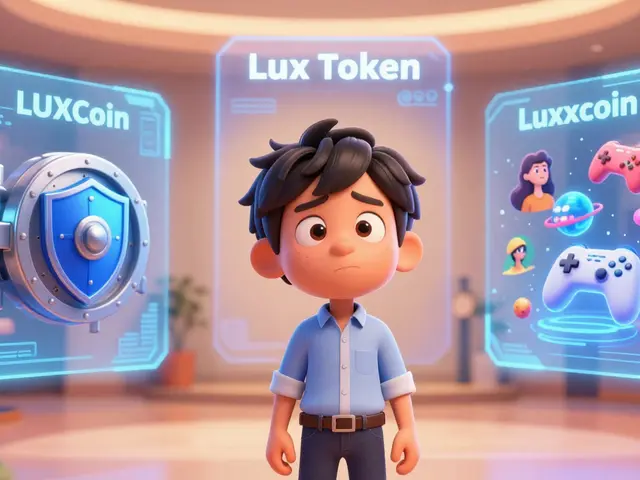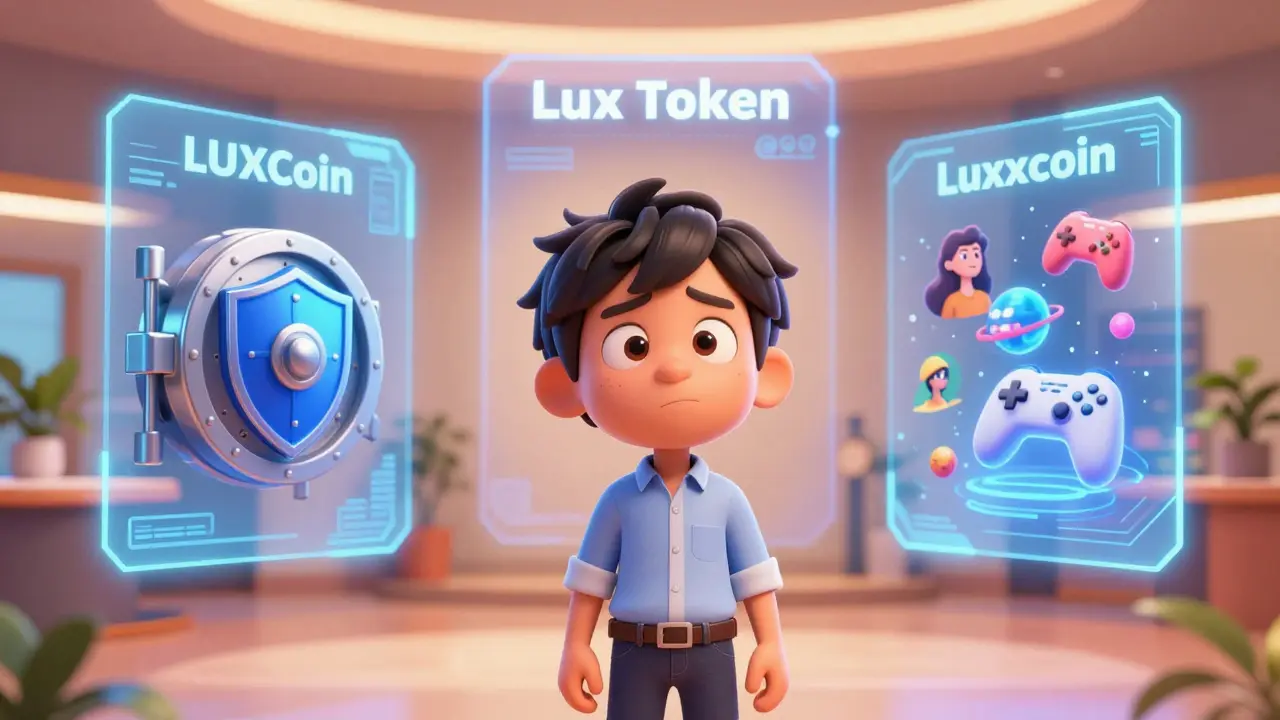
Searching for "LUX" in the crypto world can feel like walking into a crowded room where everyone has the same name. You type it into an exchange or a wallet, and suddenly you are faced with three completely different projects. One is a privacy-focused Bitcoin fork from 2017. Another is a new token on the Solana blockchain designed for multiplayer web browsing. The third is a meme-inspired gaming token also on Solana. If you buy the wrong one, you might end up with a digital asset that does not match your investment goals or technical expectations.
This confusion is not just a minor annoyance; it is a critical risk for any investor. In this guide, we will cut through the noise and clearly define what each "LUX" project actually is. We will look at their underlying technology, their specific use cases, and how you can tell them apart before you spend a single dollar. By the end of this article, you will know exactly which LUX fits your needs and how to avoid common pitfalls.
The Original: LUXCoin (LUX)
When most serious blockchain enthusiasts talk about LUX, they are referring to LUXCoin, a hybrid cryptocurrency launched in 2017 as a fork of the Bitcoin codebase. Unlike newer tokens that chase trends, LUXCoin was built with a specific mission: to bridge the gap between everyday consumers and enterprise-level security requirements. It operates on its own independent blockchain, separate from Ethereum or Solana, relying on a modified version of Bitcoin's architecture.
The core innovation of LUXCoin lies in its consensus mechanism. Most blockchains choose either Proof-of-Work (PoW), like Bitcoin, or Proof-of-Stake (PoS), like Ethereum 2.0. LUXCoin uses a hybrid model that combines both. This dual approach aims to enhance security by leveraging the computational power of miners while also rewarding long-term holders who stake their coins. The network uses the PHI2 algorithm (also known as PHI1612), which is designed to be ASIC-resistant. This means specialized mining hardware cannot easily dominate the network, keeping mining accessible to GPU users and promoting decentralization.
One of the standout features of LUXCoin is its focus on privacy and enterprise utility. The platform introduces LuxSend, a trustless coin-mixing service provided by the Lux Masternode network. LuxSend obfuscates the origin of transactions, making it harder to trace wallet details. For businesses, the ecosystem offers LuxGate, a decentralized exchange protocol enabling peer-to-peer swaps without third-party interference and LuxEdge, a decentralized software development platform and repository. These tools aim to provide private networks for enterprises on top of the public blockchain.
To participate fully in the LUXCoin ecosystem, users often run masternodes. A masternode requires a collateral of 16,120 LUX coins locked in a wallet. In return, masternode operators receive 40% of the Proof-of-Stake block rewards. This structure incentivizes network participation and provides additional services like instant send and privacy mixing. With a block size of 4MB and a block time of 60 seconds, LUXCoin prioritizes stability and security over high-speed transactions, aligning it more closely with traditional financial infrastructure than speculative trading platforms.
The Social Web Token: Lux Token on Solana
If you are looking for something modern, fast, and integrated with social media, you might be encountering the second project: Lux Token, a Solana-based cryptocurrency designed to revolutionize web navigation through multiplayer browsing experiences. Launched much later than LUXCoin, this token lives on the Solana blockchain, a high-performance blockchain known for fast transactions and low fees. Its goal is entirely different from the privacy-focused LUXCoin.
Lux Token powers a platform that transforms standard websites into dynamic digital spaces called "planets." Imagine browsing the internet where you can see other users in real-time, interact with content collectively, and engage in social activities directly within the browser. This concept merges gaming, social interaction, and web exploration into a single decentralized experience. The token acts as the native currency for these interactions, allowing users to pay for premium features, trade digital assets, and engage in in-app transactions.
Because it runs on Solana, Lux Token benefits from near-instant transaction speeds and negligible fees. This makes it suitable for micro-transactions and frequent user interactions that would be prohibitively expensive on older blockchains like Bitcoin or Ethereum. The total supply of Lux Token is capped at approximately 999,999,513 tokens, with nearly all of them already in circulation. Investors interested in this project are betting on the future of the "social web" and decentralized applications (dApps) that prioritize user engagement and community building.
To acquire Lux Token, you typically need a Solana-compatible wallet like Phantom or Sollet. You then connect to decentralized exchanges such as Raydium to swap SOL for LUX. This process is straightforward for anyone familiar with the Solana ecosystem but requires careful attention to ensure you are interacting with the correct contract address, given the naming overlap with other projects.

The Meme Gaming Token: Luxxcoin
The third entry in our list is Luxxcoin, a meme-powered Solana token that transforms holding (HODLing) into a recurring, live leaderboard game. Also built on the Solana blockchain, Luxxcoin takes a different approach by leveraging internet culture and gamification. It debuted on major trading platforms like WEEX in late 2025, quickly gaining attention for its unique mechanics.
Luxxcoin is not designed for enterprise security or social browsing. Instead, it focuses on community engagement through competition. The token turns the act of holding crypto into a game where users compete on live leaderboards. This gamified element appeals to traders who enjoy speculative opportunities and community-driven narratives. Like many meme coins, its value is heavily influenced by social sentiment, marketing efforts, and community growth rather than fundamental technological utility.
As of May 2026, Luxxcoin trades on various exchanges including WEEX and Robinhood, with prices fluctuating based on market demand. Its primary utility lies within the broader Solana dApp ecosystem, facilitating quick transfers and interactions with smart contracts. While it offers speed and low costs similar to the other Solana-based LUX token, its purpose is entertainment and speculation. Investors should view Luxxcoin as a high-risk, high-reward asset typical of the meme coin sector.

Comparing the Three LUX Projects
Understanding the differences between these three projects is crucial for making informed decisions. Below is a comparison table that highlights their key attributes, helping you identify which one aligns with your interests.
| Feature | LUXCoin (Original) | Lux Token (Solana) | Luxxcoin (Solana) |
|---|---|---|---|
| Blockchain | Independent (Bitcoin Fork) | Solana | Solana |
| Launch Year | 2017 | Recent (2025-2026) | 2025 |
| Consensus | Hybrid PoW/PoS | Proof-of-History (Solana) | Proof-of-History (Solana) |
| Primary Use Case | Privacy, Enterprise Security | Social Web, Multiplayer Browsing | Gamification, Meme Culture |
| Key Features | LuxSend, Masternodes, PHI2 Algo | Real-time Interaction, Digital Planets | Live Leaderboards, HODL Games |
| Risk Profile | Medium (Established Tech) | High (New Concept) | Very High (Speculative) |
How to Avoid Confusion and Stay Safe
The similarity in names is not accidental; it is a common occurrence in the crypto space where branding rights are loosely enforced. To protect yourself, always verify the blockchain network and the specific contract address before buying or transferring funds. If you are interested in privacy and established technology, look for LUXCoin on its native blockchain. If you want exposure to social web innovations, seek out the Solana-based Lux Token. For pure speculation and gaming, consider Luxxcoin.
Always use reputable wallets and exchanges. For LUXCoin, dedicated wallets that support its specific algorithms are necessary. For the Solana tokens, ensure your wallet supports SPL tokens and double-check the contract addresses on official documentation or trusted aggregators like CoinMarketCap or CoinGecko. Never rely solely on the ticker symbol "LUX" when executing trades, as this can lead to accidental purchases of the wrong asset.
Finally, remember that past performance does not guarantee future results. LUXCoin has been around since 2017, providing a longer track record, but it faces competition from newer, faster blockchains. The Solana-based tokens benefit from the current hype around Solana but carry higher volatility due to their newer status and speculative nature. Do your own research, understand the technology behind each project, and invest only what you can afford to lose.
Is LUXCoin the same as the Lux Token on Solana?
No, they are completely different projects. LUXCoin is a standalone blockchain launched in 2017 as a Bitcoin fork focused on privacy and enterprise security. The Lux Token is a newer cryptocurrency built on the Solana blockchain, designed for social web interactions and multiplayer browsing experiences.
Which blockchain does LUXCoin operate on?
LUXCoin operates on its own independent blockchain, which is a fork of the original Bitcoin codebase. It does not run on Ethereum, Solana, or any other major public chain.
What is the minimum requirement to run a LUXCoin masternode?
To operate a LUXCoin masternode, you need to lock 16,120 LUX coins in a compatible wallet. This collateral allows you to participate in the network's consensus mechanism and earn rewards from Proof-of-Stake blocks.
How can I buy the Solana-based Lux Token?
You can buy the Solana-based Lux Token using decentralized exchanges (DEXs) like Raydium. You will need a Solana-compatible wallet such as Phantom or Sollet, and you must have SOL tokens to pay for transaction fees and perform the swap.
Is Luxxcoin a safe investment?
Luxxcoin is considered a high-risk investment because it is a meme-inspired token focused on gamification and speculation. Its value is driven largely by community sentiment and market trends rather than fundamental technological utility. Always exercise caution and never invest more than you can afford to lose.
What is the PHI2 algorithm used by LUXCoin?
The PHI2 algorithm (also known as PHI1612) is a mining algorithm used by LUXCoin that is designed to be ASIC-resistant. This encourages decentralized mining using GPUs, preventing large mining farms from dominating the network and enhancing overall security.
Can I use LUXCoin for anonymous transactions?
Yes, LUXCoin offers enhanced privacy features through LuxSend, a coin-mixing service provided by its masternode network. This feature helps obfuscate transaction origins and wallet details, providing a layer of anonymity for users.
Why are there so many cryptocurrencies named LUX?
The crypto industry lacks strict trademark enforcement, leading to multiple projects using similar names. Additionally, "Lux" suggests light or luxury, which is appealing for branding. However, these projects often have unrelated technologies and purposes, causing confusion for investors.