RadioShack Swap is a new Polygon-based DEX with a unique liquidity model, but low volume, thin liquidity, and conflicting data make it risky. Not recommended for serious traders.
RadioShack Swap: What It Is and Why It’s Not What You Think
When you hear RadioShack Swap, a term that falsely suggests a legitimate crypto token exchange tied to the old electronics retailer. Also known as RadioShack crypto swap, it’s not a real project—it’s a bait used by scammers to trick people into connecting wallets or buying fake tokens. No company named RadioShack ever launched a blockchain product. The name gets pulled out of thin air to sound familiar, trustworthy, and harmless—like a brand you remember from the mall. But in crypto, familiarity is the first trap.
What you’re really seeing is a crypto swap, a process where one token is exchanged for another, often on a decentralized platform. This is a normal part of DeFi—but when paired with a fake brand like RadioShack, it becomes a weapon. Scammers create fake websites, Telegram groups, and Twitter posts claiming you can swap "RadioShack tokens" for Bitcoin or ETH. They ask for your private key, or a small gas fee, or a login to your wallet. Once you give them access, your funds vanish. There’s no token. No team. No roadmap. Just a name borrowed from a dead retail chain. This trick works because people remember RadioShack. They think, "Oh, this must be legit—it’s a brand I know." But in crypto, brands don’t mean safety. Transparency does. Audits do. Liquidity does. RadioShack Swap has none of those.
Look at the patterns in the posts below. You’ll see the same story over and over: a token with no trading volume, no team, no updates since 2022. SHREW, CHIHUA, Tatmas, AladiEx—they all sound real until you dig. They all promise something simple: free money, easy swaps, quick gains. But real crypto doesn’t need fake names to attract users. It needs open code, public wallets, and verifiable activity. The decentralized exchange, a platform where users trade crypto directly without a middleman. Also known as DEX, it’s the backbone of honest crypto trading. Block DX, Firebird Finance, CoinExchange—they’re real DEXs. They don’t hide behind old electronics brands. They show their code, their fees, their risks. And they don’t promise you free tokens just for clicking a link.
Don’t fall for the nostalgia. Don’t trust the name. If a swap sounds too easy, it’s a trap. The posts here don’t just warn you—they show you exactly how these scams are built, who’s behind them, and what to look for before you even think about connecting your wallet. You’ll learn why some "airdrops" are just empty addresses, why some "exchanges" don’t exist, and how to spot a fake swap before it’s too late. This isn’t theory. It’s what’s happening right now. And the next RadioShack Swap could be waiting for you in your DMs.
November 15, 2025
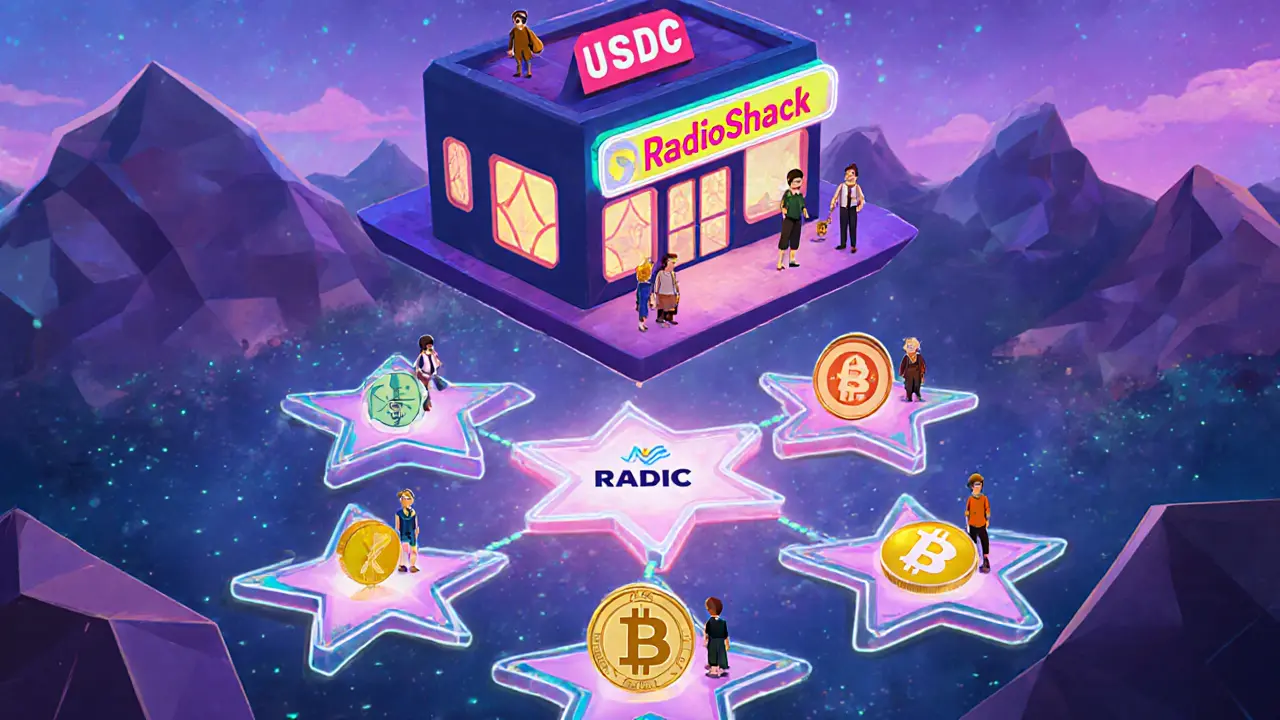
RadioShack (Polygon) Crypto Exchange Review: Is This New DEX Worth Your Time?
About
Cryptocurrency