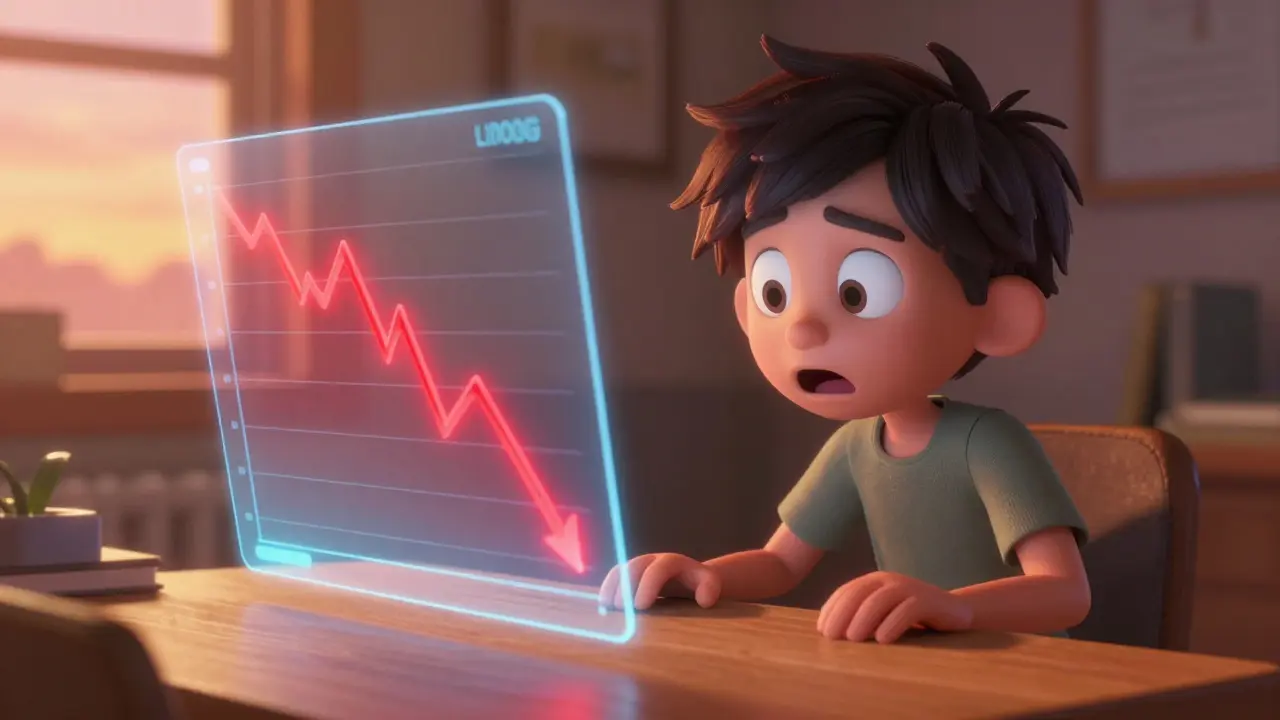
Imagine losing $45 billion in just one year. That’s exactly what happened to social token investments in 2025. These tokens, created by influencers or communities to monetize fans or reward engagement, sound exciting-but they’re far riskier than most people realize. Unlike Bitcoin or Ethereum, social tokens rely entirely on human factors-a creator’s reputation, community energy, or platform algorithms-that can vanish overnight.
Liquidity Traps: The Silent Killer of Social Tokens
DEX liquidity for social tokens is shockingly thin. According to GeckoTerminal data from September 2025, 61% of social tokens have less than $500,000 in combined liquidity across all major exchanges. Compare that to Bitcoin’s $28.5 billion daily trading volume (CoinGecko, October 2025), and you’ll see why these tokens are 152 times more vulnerable to price manipulation (Chainalysis, August 2025). When you try to sell, you’ll often face massive slippage-your $1,000 investment might turn into $600 in seconds. Trustpilot reviews from 1,892 users show 63% complain about being unable to exit positions without huge losses.
Regulatory Crackdowns: The SEC and Beyond
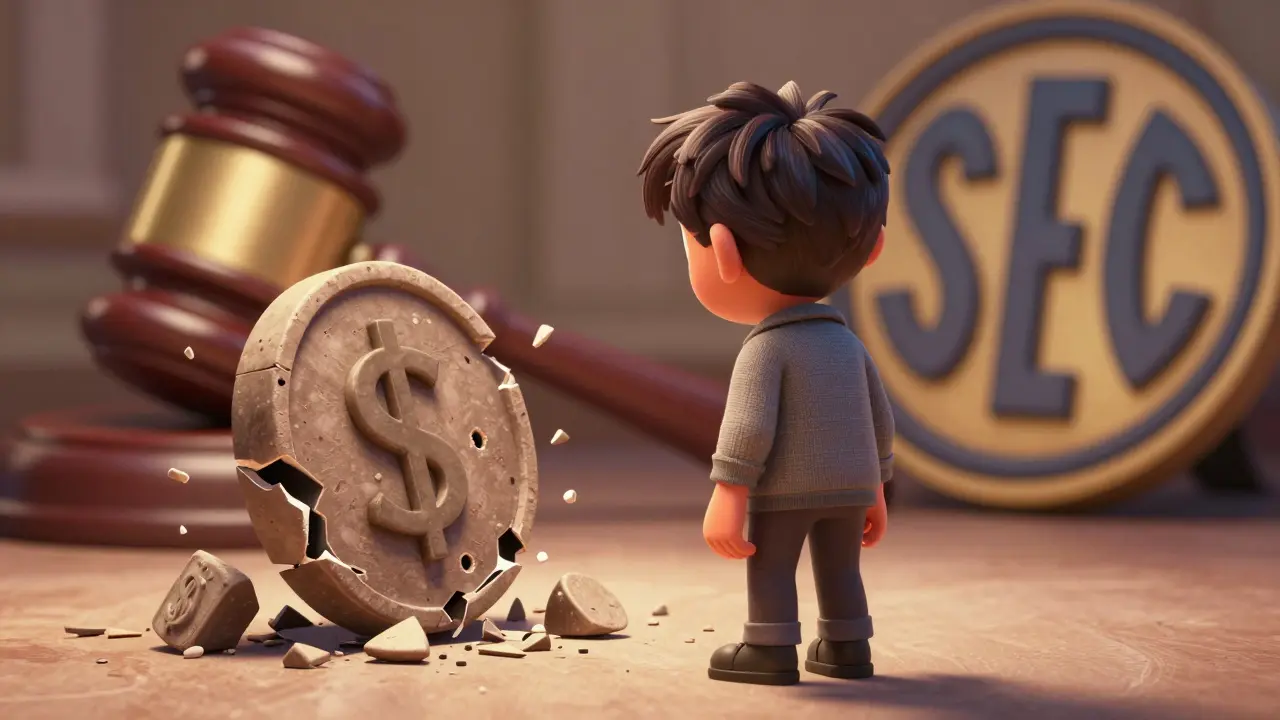
The SEC has launched 142 investigations into social token projects for potential unregistered securities offerings in Q3 2025 alone (SEC Enforcement Report). That’s 38% of all cryptocurrency-related investigations. Meanwhile, the UK’s FCA implemented creator liability rules in July 2025, forcing small tokens to hold 12 months of operational reserves. This caused 38% of small creator tokens to delist immediately. In the EU, MiCA regulations now require social tokens with security-like features to comply with strict asset-backed rules-a standard only 12% of existing tokens meet (Kobre & Kim law firm analysis).
Creator Dependency: When the Person Disappears
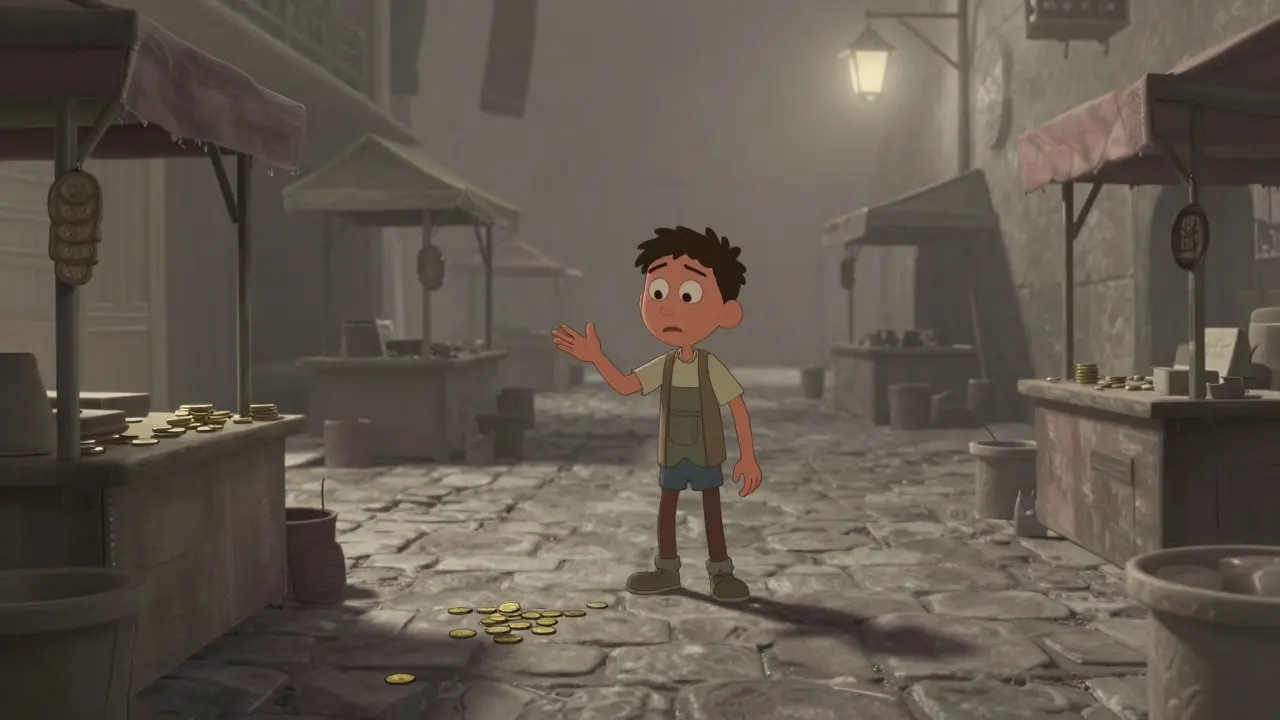
Social tokens live or die by their creators. If the person behind the token stops posting, gets into controversy, or abandons the project, the value evaporates. The “Kim Kardashian Effect” shows this clearly: 63% of celebrity-backed social tokens collapsed within 90 days of launch (TRM Labs, November 2025). Take the Drama Token case study from July 2025-a creator’s public scandal triggered a 92% price drop in just 72 hours. Reddit’s r/CryptoCurrency community documented 41% of social token failures in 2025 were due to abandoned projects, where creators kept the money but stopped development.
Market Manipulation: Easy Targets for Scams
With low trading volumes and concentrated ownership, social tokens are playgrounds for manipulators. The top 10 holders typically control 58-73% of supply across analyzed projects (Financial Stability Board, October 2025). This creates perfect conditions for pump-and-dump schemes. The Crypto Scam Database recorded 317 social token-specific scams in 2025, with average losses of $3,850 per victim-much higher than the $2,100 average for general crypto scams. A real-world example: the ArtistCoin token lost 97% of its value in 48 hours after a musician announced a return to traditional record labels (Bitcointalk, August 2025).
How to Protect Your Portfolio
If you’re still considering social tokens, follow strict rules. Fidelity recommends allocating no more than 1-3% of your total cryptocurrency portfolio to social tokens, with 0.25-0.75% per individual token. Before investing, check these five things: creator’s recent social media engagement (are they active?), community health (is the Discord chat dead?), token liquidity (is there enough on DEXs?), regulatory compliance (has the project been flagged?), and vesting schedules (do team members have cliff periods that could dump supply?). Experienced traders say you’ll need 15-20 hours weekly to monitor these factors-a huge time commitment most investors don’t have.
Are social tokens considered securities?
Yes, many social tokens now qualify as securities under regulations like MiCA and SEC Rule 19c-4. The SEC has launched 142 investigations into social token projects for potential unregistered securities offerings in Q3 2025 alone. Projects must either register as securities or prove sufficient decentralization-a standard only 12% of existing tokens meet according to Kobre & Kim law firm analysis. Failure to comply can lead to forced delistings or legal action against creators.
What’s the biggest risk with social tokens?
The biggest risk is creator dependency. Unlike Bitcoin or Ethereum, social tokens derive almost all value from a single person or small group. If the creator loses interest, faces legal trouble, or stops engaging with the community-as happened with the Drama Token-the token can lose 90%+ of its value in days. This dependency makes social tokens uniquely vulnerable compared to other cryptocurrencies, where value comes from broader network effects rather than individual influence.
Can social tokens ever be safe investments?
Only in rare cases. Successful social tokens usually belong to established creators with diversified revenue streams-like Patreon’s integration of social tokens in 2024, which maintained 85% of value during market downturns due to real utility within their ecosystem. Even then, they’re not safe-they’re high-risk assets that should never exceed 1-3% of your crypto portfolio. Most experts agree social tokens are speculative tools, not investments. As Dr. Elaine Chen of MIT’s Digital Currency Initiative stated in 2025: “They’re the highest-risk category in digital assets because their value depends on non-financial variables like community sentiment, which can’t be measured like traditional assets.”
Why do social tokens have such low liquidity?
Social tokens typically have low liquidity because they’re designed for niche communities, not mass markets. Most projects launch with minimal DEX liquidity to save costs-61% have less than $500,000 across all exchanges (GeckoTerminal, September 2025). This is intentional: creators don’t want large public trading volumes that could attract regulators or speculators. But it backfires-when holders try to sell, there’s no one to buy from, causing sharp price crashes. Compare this to Bitcoin, which has $28.5 billion daily volume, making it easy to trade without affecting price.
What happens if a social token project gets shut down?
If a project gets shut down-by regulators, exchanges, or the creator-the token usually becomes worthless overnight. For example, after the UK’s FCA implemented creator liability rules in July 2025, 38% of small creator tokens were immediately delisted from exchanges. Similarly, the SEC’s Rule 19c-4 amendments require social tokens with “substantial creator influence” to register as securities-a process most projects can’t complete. Once delisted, tokens often trade only on obscure decentralized exchanges with near-zero liquidity. In 2025, 75-80% of social tokens are projected to cease trading by 2027 (ARK Invest), meaning most investors will lose everything.
Comments
The SEC investigations are a smokescreen to control decentralization. 💡🔒
Social tokens have risks, but they also offer unique opportunities to connect with communities. Focus on the utility, not just the price. Stay curious and keep an open mind! ✨
The real issue is that retail investors don't understand market mechanics. It's not the tokens' fault; it's the investors' lack of sophistication. 🤦♀️
Liqudity traps are a classic case of market inefficiency. 61% of tokens have less than $500k liquidity-this is intentional to allow manipulation. The SEC investigations? Just a cover for bigger players. But hey, what do I know? 😅
The fundamental issue with social tokens lies in their ontological dependence on human agency. Unlike decentralized protocols, they are inherently centralized and thus susceptible to systemic collapse. This is not merely a risk-it is a structural flaw. The liquidity traps are a symptom of this deeper issue. When tokens rely on a single creator's reputation, any scandal or change in behavior can wipe out value. The SEC's investigations into 142 projects in Q3 2025 highlight this regulatory risk. The UK's FCA rules forcing 12 months of reserves caused 38% of tokens to delist. MiCA regulations require 12% compliance. The creator dependency is evident in the Drama Token case, where a scandal caused a 92% drop. Trustpilot reviews show 63% complaints about inability to exit positions. The top 10 holders control 58-73% of supply, enabling pump-and-dump schemes. Crypto Scam Database recorded 317 social token scams in 2025. Fidelity recommends allocating 1-3% of portfolio to social tokens. But most investors don't have the time to monitor these factors daily. Dr. Elaine Chen states they're the highest-risk category. It's all so clear-social tokens are fundamentally unstable. 🤔
Social tokens, they're risky, yes-but there's also potential, right? I mean, if you're careful, you can find good projects. But you need to check everything: creator engagement, community health, liquidity, regulatory compliance-so many things to monitor. It's a lot of work. 😅
The real problem is that people don't understand what they're investing in. But hey, maybe that's why they're called 'social' tokens-because they're social experiments in risk-taking. 🤷♀️
Social tokens can be risky, but they also bring people together. The community aspect is amazing! Just need to watch out for scams and liquidity issues. Keep an eye on the creator's activity and the DEX liquidity. It's all about balance! 💪✨
Liquidity traps are no joke. 61% of tokens have less than $500k liquidity? That's a recipe for disaster. But hey, maybe that's why they're called 'social' tokens-because they're social experiments in risk. 🤷♀️
Social tokens are a complete scam. Everyone knows it. The SEC investigations? Just a distraction. The real problem is that people are too stupid to realize they're being scammed. 97% of tokens collapse? Of course they do. It's all part of the plan. 😈
If you're investing in social tokens, you deserve to lose money.
Social tokens are a threat to national security. They're controlled by foreign interests. We need to ban them. The SEC is doing nothing. It's time to act! 🔥
The creator dependency is the real killer. If the person disappears, the token dies. It's so obvious. Why don't people see this? They're too emotional. Just think about it: no creator, no value. It's basic. 😔
Don't let the risks scare you! There's opportunity in chaos. Stay positive and keep learning! 💪🚀
Social tokens are inherently flawed because their value depends on human factors which are inherently unstable unlike decentralized protocols which have objective metrics The SEC investigations are just scratching the surface 61% have less than $500k liquidity which is a recipe for manipulation It's all so obvious yet people ignore it 🤔
Focus on utility, not price. 💪
Key points include liquidity traps, regulatory challenges, and creator dependency. Investors should allocate no more than 1-3% of their portfolio to these assets and monitor them closely. It's crucial to understand the specific risks before investing.
Social tokens are a complete scam. Everyone knows it. The SEC investigations? Just a distraction. The real problem is that people are too stupid to realize they're being scammed. 97% of tokens collapse? Of course they do. It's all part of the plan. 😈
Don't let the risks scare you! There's opportunity in chaos. Stay positive and keep learning! 💪🚀
Social tokens have their place but it's important to be realistic. The liquidity issues and regulatory risks are real. Just don't invest more than you can afford to lose. Stay chill. 😎
Social tokens are a fool's errand built on sand.
The risk of creator dependency is the most terrifying aspect of social tokens. One scandal, one tweet, and everything collapses. It's like building a house of cards on a hurricane. 🌪️