
You might have heard that crypto is illegal in Nigeria. If you’re trying to trade Bitcoin or USDT today, that rumor could cost you time and money. The truth is far more complicated. There isn’t a single list of “banned” exchanges hanging on a government wall. Instead, there is a strict licensing system. If an exchange doesn’t have a license from the Securities and Exchange Commission (SEC), it effectively cannot operate legally within the country.
As of May 2026, the landscape has shifted dramatically from the blanket bans of 2021. The old rule was simple: no banks could touch crypto. That era is over. Today, the rule is: only licensed platforms can process Naira transactions. This distinction changes everything for traders. It means some global giants are restricted, while local heroes are thriving. Let’s break down exactly which exchanges you can use, which ones are blocked, and why your bank account might be acting up when you try to deposit funds.
The New Rule: License or Leave
To understand what is banned, you first need to understand what is allowed. In March 2025, President Bola Ahmed Tinubu signed the Investments and Securities Act (ISA) 2025. This law changed the game. It classified digital assets as securities. This sounds technical, but the impact is practical. It gave the SEC the power to regulate who sells and buys these assets.
Under this new framework, any platform acting as a Virtual Asset Service Provider (VASP) must get a license. If they don’t, they are operating illegally. The SEC has the authority to shut them down, block their domains, and penalize them heavily. So, when we ask “what exchanges are banned?”, the accurate answer is: “Any exchange without an SEC license.”
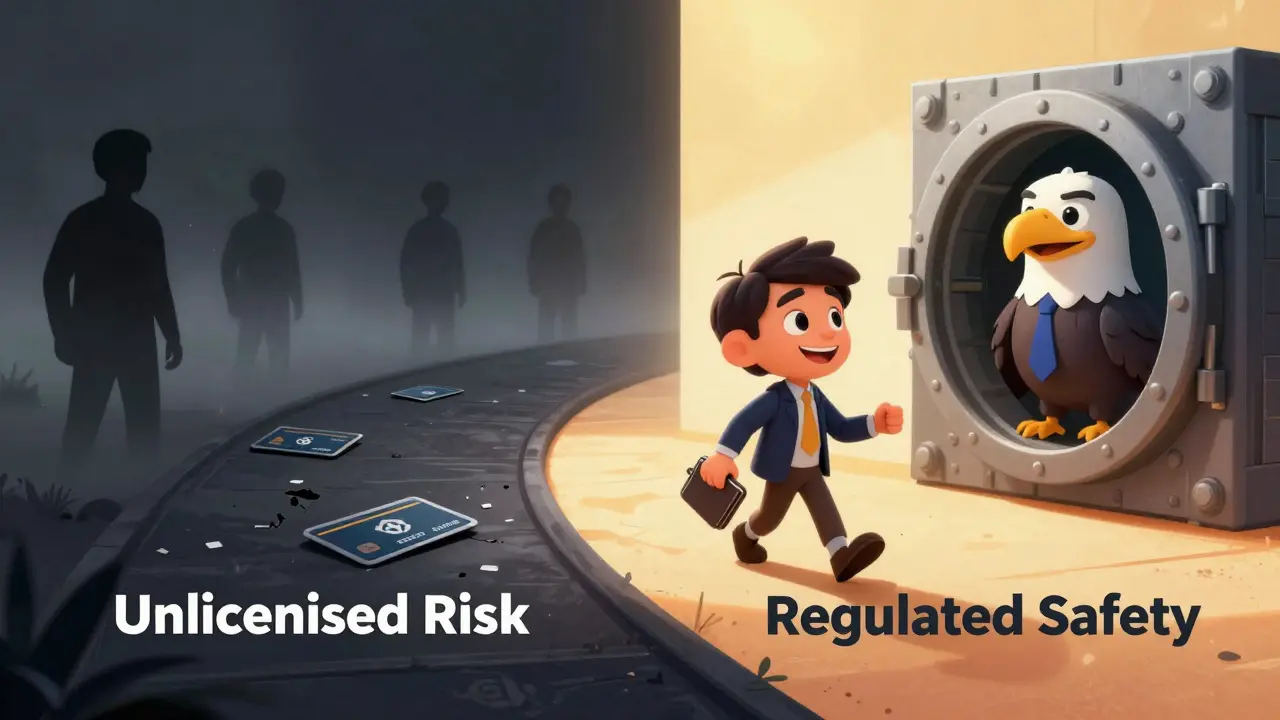
This isn’t just about paperwork. It’s about consumer protection. Licensed exchanges must follow strict rules. They need robust Anti-Money Laundering (AML) checks. They must verify your identity through Know Your Customer (KYC) processes. They also have to monitor transactions for suspicious activity. If you use an unlicensed platform, you have zero legal recourse if something goes wrong. You’re on your own.
Is Binance Banned in Nigeria?
This is the question everyone asks. Binance is the biggest name in crypto. For years, Nigerians used it freely. Then, things got messy. In February 2024, Binance suspended Naira trades on its peer-to-peer (P2P) platform. Around the same time, local internet service providers started blocking access to Binance.com.
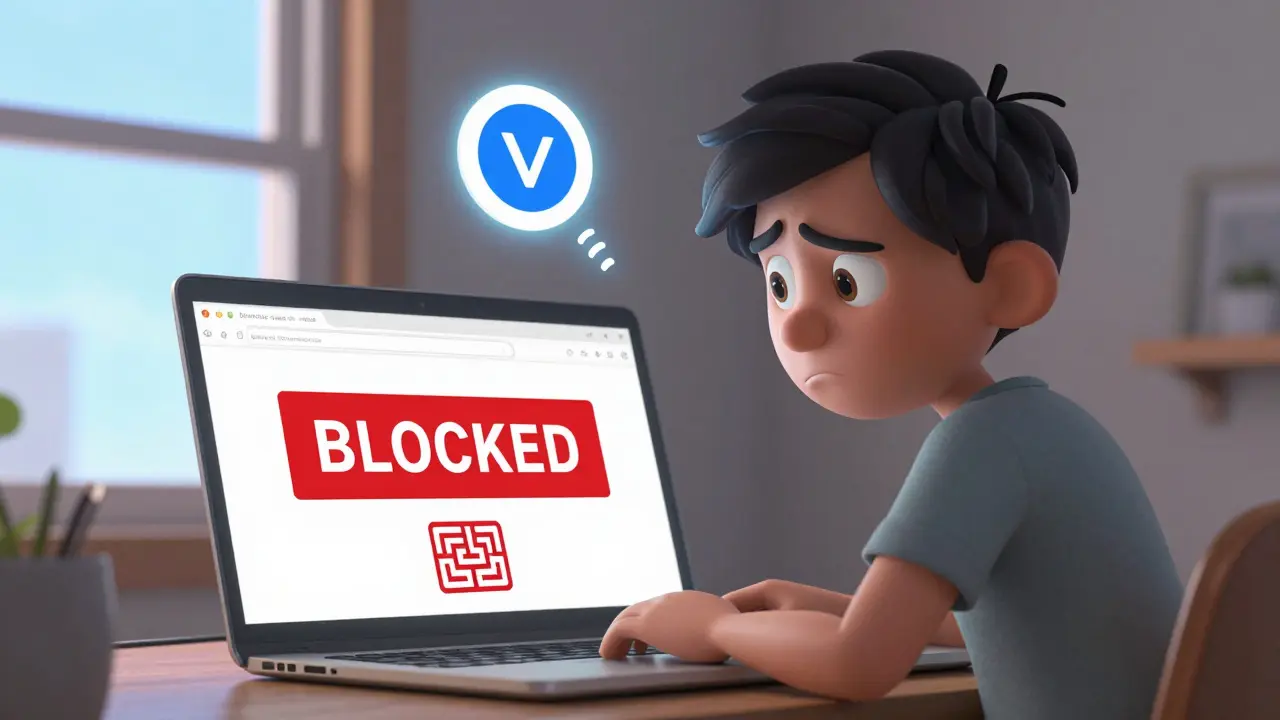
So, is it banned? Technically, yes and no. It’s not banned like a prohibited substance. It’s restricted. You can still create an account. You can still hold crypto in your wallet. But you cannot easily move Naira in or out using the official P2P system. The domain blocks make accessing the site difficult without a VPN. Even then, the lack of direct Naira support makes it cumbersome for daily trading.
Binance hasn’t received a formal ban order that says “you are closed forever.” Instead, they chose to step back from the regulated market because they didn’t want to comply with the new licensing requirements at that time. For the average user, this feels like a ban. You can’t buy BTC with Naira directly. You have to find workarounds, like using crypto cards or third-party P2P agents, which carries higher risk.
The Licensed Champions: Who Can You Trust?
If Binance is out, who is in? Two names stand out right now: Quidax and Busha. These were the first platforms to receive approval from the SEC. They set the standard for compliance in Nigeria.
Quidax, owned by Luno Group, has been aggressive in marketing itself as the safe choice. They offer seamless Naira deposits via bank transfer. Their interface is clean, and their customer support is responsive. Because they are licensed, banks treat them as legitimate partners. You won’t see your transaction flagged as “suspicious” just for sending money to Quidax.
Busha is another strong contender. They focus heavily on institutional clients but also serve retail traders well. Their security protocols are top-tier. They integrate deeply with the Nigerian banking system, making fiat onboarding smooth. Both platforms enforce strict KYC. You’ll need your BVN (Bank Verification Number) and national ID. This might feel invasive compared to the wild west days of crypto, but it’s the price of safety.
| Platform | Regulatory Status | Naira Support | Access Method |
|---|---|---|---|
| Quidax | SEC Licensed | Yes (Direct Bank Transfer) | Web & Mobile App |
| Busha | SEC Licensed | Yes (Direct Bank Transfer) | Web & Mobile App |
| Binance | Unlicensed / Restricted | No (Official P2P Suspended) | VPN Required for Site Access |
| Coinbase | Not Available | No | Does Not Operate in Nigeria |
The Role of Banks and the CBN
You can’t talk about exchanges without talking about banks. For a long time, the Central Bank of Nigeria (CBN) told banks to stay away from crypto. In 2021, they issued a circular prohibiting financial institutions from facilitating crypto transactions. Many users had their accounts frozen.
That changed in late 2023. The new CBN governor lifted the ban. Banks are now allowed to service licensed crypto businesses. This is crucial. It means your bank transfer to Quidax will go through. Your withdrawal from Busha will hit your account. However, banks are still cautious. They monitor large or frequent transfers. If you suddenly send ₦5 million to a crypto platform, expect questions. Keep your records clear. Use licensed platforms to avoid unnecessary scrutiny.
Penalties for Non-Compliance
Why do exchanges care so much about licenses? Because the penalties are steep. The Nigeria Tax Administration Act (NTAA) 2025 introduced heavy fines for defaulting VASPs. If an exchange fails to comply with tax and reporting rules, they face an initial penalty of ₦10 million ($6,693). After the first month, it’s ₦1 million ($669) for every additional month of delay.
These fines aren’t just theoretical. They force exchanges to either comply or leave. Smaller, unregulated platforms often choose to leave rather than pay the compliance costs. This consolidates the market around the few big players who can afford the legal and technical infrastructure required by the SEC.
What About Decentralized Finance (DeFi)?
Here’s where it gets tricky. The SEC regulates centralized exchanges. What about DeFi protocols like Uniswap or Aave? These platforms don’t have a central company to license. They run on code. Currently, the regulatory framework doesn’t explicitly ban using DeFi interfaces. However, if you bridge Naira into DeFi, you likely have to pass through a centralized exchange first. Since those exchanges must be licensed, the indirect regulation still applies.
Using DeFi directly from a Nigerian bank account is nearly impossible due to banking restrictions. Most users convert Naira to USDT on a licensed exchange, then move it to a self-custody wallet, and finally interact with DeFi. This works, but it adds steps and fees. Be aware that regulators are watching DeFi closely. Future updates to the ISA might bring stricter rules for decentralized interactions.
How to Stay Safe and Compliant
If you’re trading crypto in Nigeria, safety is your priority. Here is how to navigate the current environment:
- Stick to Licensed Platforms: Use Quidax, Busha, or other SEC-approved exchanges. Check the SEC website for the latest list of licensed entities.
- Avoid Unverified P2P: Don’t trade with strangers on Telegram or WhatsApp. Scams are rampant. Use the built-in P2P features of licensed apps if available.
- Keep Records: Save all transaction receipts. If your bank freezes your account, you’ll need proof that your funds went to a legitimate business.
- Use Strong Security: Enable two-factor authentication (2FA) on all accounts. Use a hardware wallet for long-term storage of large amounts.
- Stay Updated: Regulations change fast. Follow reputable news sources for updates on SEC announcements.
The Future of Crypto in Nigeria
Nigeria is becoming a leader in African crypto regulation. The ISA 2025 provides clarity. Investors like clarity. Foreign companies are looking at Nigeria as a potential hub for fintech innovation. We might see more international exchanges apply for licenses in the coming years. Coinbase, Kraken, or others could enter the market if they meet the SEC’s standards.
For now, the gap between licensed and unlicensed platforms is wide. The convenience of Binance is gone for most users. But the safety of Quidax and Busha is real. You’re protected by law. Your funds are monitored. And you can sleep better knowing your trading partner isn’t going to vanish overnight.
The days of wild west crypto are over. The era of regulated, secure trading is here. Adapt to the new rules, and you’ll find that crypto in Nigeria is more accessible than ever before.
Is Binance completely banned in Nigeria?
Binance is not formally "banned" in the sense that you cannot create an account or hold assets. However, its operations are severely restricted. The P2P platform for Naira trades is suspended, and the website is often blocked by ISPs. Users typically need a VPN to access the site, and they cannot easily deposit or withdraw Naira through official channels.
Which crypto exchanges are legal in Nigeria in 2026?
The primary legal exchanges are those licensed by the Securities and Exchange Commission (SEC). As of early 2026, Quidax and Busha are the most prominent licensed platforms. They can legally process Naira transactions and offer full regulatory compliance.
Can I use my bank account to buy crypto?
Yes, but only with licensed exchanges. The Central Bank of Nigeria (CBN) allows banks to service licensed crypto businesses. Transfers to unlicensed platforms may be blocked or flagged as suspicious. Always use SEC-approved platforms like Quidax or Busha for bank transfers.
What happens if I use an unlicensed exchange?
Using an unlicensed exchange carries significant risks. You have no legal protection if the platform fails or scams you. Additionally, your bank may freeze your account if they detect transactions to non-compliant entities. The SEC can also shut down these platforms abruptly, leaving you unable to withdraw funds.
Are NFTs regulated in Nigeria?
Yes, under the Investments and Securities Act (ISA) 2025. Investment-focused NFTs are classified as securities and fall under SEC regulation. Artistic NFTs that do not promise financial returns are generally exempt, but the line can be blurry. Traders should exercise caution and consult legal advice for complex NFT projects.
Will more international exchanges get licenses soon?
It is possible. The regulatory clarity provided by the ISA 2025 has attracted interest from foreign firms. However, the licensing process is rigorous and expensive. Only platforms with strong financial resources and compliance infrastructure are likely to succeed. Watch for announcements from major global brands in the latter half of 2026.